Every year, as the month of Ramadan begins, social media fills with warm messages saying, “Ramadan Mubarak!” Maybe you’ve received the greeting from a friend, seen celebrities post it online, or heard coworkers exchange it at the office.
At first glance, it seems simple. But behind those two words lies centuries of tradition, faith, community, and kindness.
Understanding what Ramadan Mubarak means isn’t just about translation it’s about appreciating one of the world’s most meaningful religious greetings.
Having followed global cultural trends and online conversations for years, I’ve noticed that many people want to use the phrase respectfully but aren’t always sure what it truly means.
What Does Ramadan Mubarak Mean?
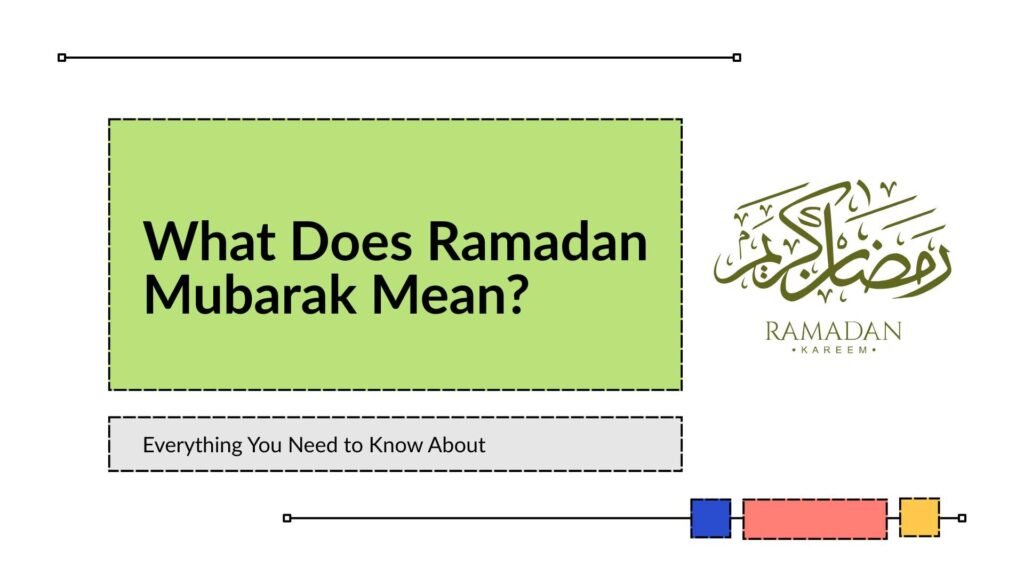
Ramadan Mubarak means “Blessed Ramadan” or “Have a blessed Ramadan.” The Arabic phrase is used to wish someone blessings, peace, and spiritual joy during the holy month of Ramadan. Muslims around the world exchange this greeting as an expression of goodwill, faith, and community during a time of fasting, prayer, and reflection.
Meaning & Definition
The phrase Ramadan Mubarak comes directly from Arabic.
Let’s break it down.
Primary Meaning
- Ramadan = The ninth month of the Islamic lunar calendar.
- Mubarak = Blessed, fortunate, or filled with blessings.
Together, the phrase means:
“Blessed Ramadan.”
Or more naturally:
“May you have a blessed Ramadan.”
Secondary Meanings
Beyond its literal translation, the greeting also conveys:
- Peace
- Respect
- Spiritual encouragement
- Community connection
- Good wishes for fasting and worship
Real-Life Conversation Examples
Example 1:
Ahmed: Ramadan Mubarak!
Yusuf: Ramadan Mubarak to you and your family as well.
Example 2:
Sarah: Ramadan Mubarak, everyone. Wishing you a peaceful month ahead.
What Does Ramadan Mubarak Mean In Islam
Ramadan Mubarak is a greeting Muslims use during the holy month of Ramadan to wish others blessings, peace, and spiritual happiness. The phrase means “Blessed Ramadan,” expressing good wishes for a month filled with faith, mercy, and rewards from Allah. In Islam, Ramadan is a sacred time of fasting, prayer, reflection, and helping those in need. Saying Ramadan Mubarak shows respect and appreciation for the importance of this special month. It is commonly shared among family, friends, and communities as a way to celebrate the beginning of Ramadan.
What Does Ramadan Mubarak Mean To You
The meaning of Ramadan Mubarak can feel personal and different for each person. For many Muslims, it represents a heartfelt wish for a peaceful, meaningful, and spiritually rewarding Ramadan. The greeting reminds people to focus on gratitude, kindness, patience, and strengthening their connection with Allah. It is not only a simple phrase but also a message of love and encouragement during a month of worship. When someone says Ramadan Mubarak, they are sharing positive hopes for blessings and happiness throughout Ramadan.
What Does Ramadan Mubarak Mean In Arabic
In Arabic, Ramadan Mubarak is written as رمضان مبارك and translates to “Blessed Ramadan.” The word “Ramadan” refers to the ninth month of the Islamic lunar calendar, while “Mubarak” means blessed, fortunate, or filled with goodness. Arabic-speaking Muslims commonly use this phrase to greet each other during the holy month. It carries a meaning of wishing divine blessings, spiritual growth, and happiness. The expression is understood and used by Muslims around the world, even outside Arabic-speaking countries.
Ramadan Kareem Vs Mubarak
Ramadan Kareem and Ramadan Mubarak are both popular greetings used during Ramadan, but they have slightly different meanings. Ramadan Mubarak means “Blessed Ramadan,” focusing on wishing someone blessings and goodness during the holy month. Ramadan Kareem means “Generous Ramadan,” highlighting the generosity, kindness, and abundant rewards associated with Ramadan. Both phrases express respect and good wishes, and many Muslims use them interchangeably. The choice between them often depends on personal preference, cultural background, or regional traditions.
Ramadan Mubarak In Arabic
The Arabic spelling of Ramadan Mubarak is رمضان مبارك. This phrase combines the name of the holy month, Ramadan, with the word Mubarak, which means blessed or full of goodness. It is a traditional greeting used by Arabic-speaking Muslims to celebrate the arrival of Ramadan and share positive wishes. People often write it in messages, social media posts, and greetings to family and friends. The phrase reflects the spiritual importance of Ramadan and the desire for peace, mercy, and blessings during this special time.
Ramadan Mubarak Response
A common response to Ramadan Mubarak is to return the same good wishes with phrases like “Ramadan Mubarak to you too” or “May Allah bless you during Ramadan.” Many Muslims also say “JazakAllah Khair” or offer prayers for peace, health, and acceptance of worship. The response does not have to be complicated because the main purpose is to share kindness and respect. Whether spoken or written, replying to Ramadan Mubarak is a way to acknowledge the greeting and continue the spirit of goodwill.
Mubarak Kareem Meaning
Mubarak and Kareem are two Arabic words often connected with Ramadan greetings, but they have different meanings. Mubarak means blessed, while Kareem means generous, noble, or full of kindness. Together, these words express ideas of blessings, generosity, and goodness. While “Ramadan Mubarak” focuses on wishing someone a blessed Ramadan, “Ramadan Kareem” highlights the generosity and spiritual rewards of the month. Both phrases represent positive messages of faith, compassion, and celebration during Ramadan.
Background & Origin
The roots of Ramadan Mubarak stretch back centuries within Islamic tradition.
Arabic-speaking Muslims have long exchanged blessings during sacred occasions.
The word mubarak itself appears in many greetings, including:
- Eid Mubarak
- Jummah Mubarak
- Nikah Mubarak
Ramadan, meanwhile, is one of the holiest months in Islam.
Muslims believe it was during Ramadan that the Quran was first revealed to the Prophet Muhammad.
Over time, the greeting spread across cultures and languages, becoming one of the most recognized expressions of goodwill in the Muslim world.
Today, social media allows people from every continent to share Ramadan greetings instantly.
Usage in Different Contexts
Casual Conversations
Among family and friends, Ramadan Mubarak is a warm and natural greeting.
Example:
“Ramadan Mubarak! How has your fasting been so far?”
Social Media
Instagram, TikTok, and Facebook are filled with Ramadan wishes each year.
Example:
“Ramadan Mubarak to everyone observing this beautiful month.”
The tone is usually uplifting and heartfelt.
Professional Settings
In workplaces, colleagues often exchange respectful greetings.
Example:
“Ramadan Mubarak. Wishing you and your family peace and blessings.”
This simple gesture can foster inclusivity and cultural understanding.
Gaming and Group Chats
Online communities also participate.
Example:
Player 1: Ramadan Mubarak, everyone!
Player 2: Thanks! Hope you all have a blessed month.
The greeting builds connection even in virtual spaces.
Meanings Across Platforms
| Platform | Tone | Example |
| Warm and personal | “Ramadan Mubarak to you and your loved ones.” | |
| Inspirational | “Ramadan Mubarak 🌙✨” | |
| TikTok | Celebratory | “Ramadan vlogs are officially here. Ramadan Mubarak!” |
| Snapchat | Friendly | “Suhoor squad! Ramadan Mubarak 💛” |
| Discord | Community-focused | “Ramadan Mubarak, everyone in the server.” |
Real-Life Examples and Light Humor
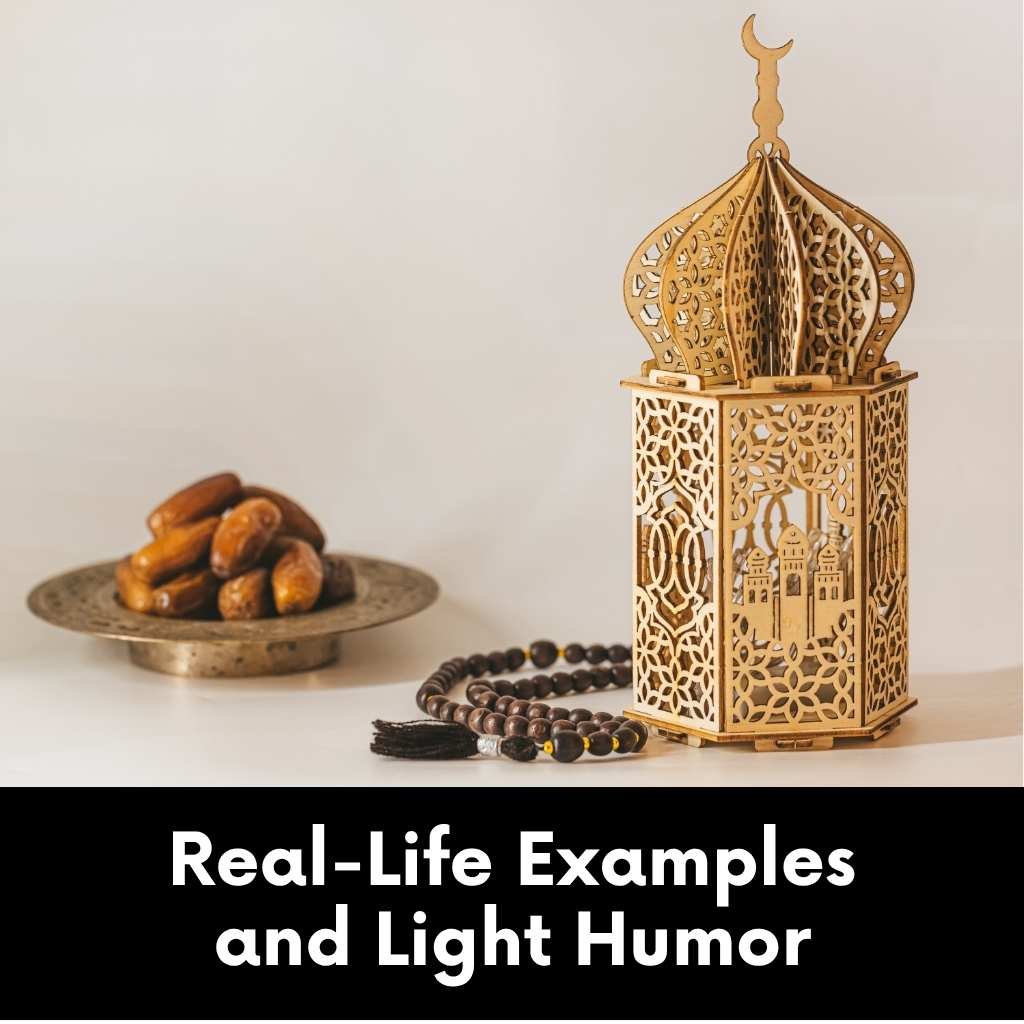
Faith and joy often go hand in hand during Ramadan.
Family Chat Example
Mom: Ramadan Mubarak, everyone!
Brother: Ramadan Mubarak! Who’s making samosas tonight?
Friendly Exchange
Friend 1: Ramadan Mubarak!
Friend 2: Ramadan Mubarak—and may our alarm clocks survive suhoor season.
Meme-Style Lines
Ramadan starter pack: dates, water, family gatherings, and twenty alarms before dawn.
Another favorite:
Me at 4:30 AM: Ramadan Mubarak to everyone… except my sleepy brain.
The humor remains affectionate and respectful toward the significance of the month.
Cultural and Regional Interpretations
United States and United Kingdom
Muslim communities in the US and UK commonly use both:
- Ramadan Mubarak
- Ramadan Kareem
Many workplaces, schools, and public figures now recognize and share these greetings.
India, Pakistan, and the Philippines
The phrase is deeply rooted in everyday life.
Families exchange greetings in person, through text messages, and across social media platforms.
Community gatherings and shared meals strengthen its meaning.
Australia
Australia’s multicultural communities have embraced Ramadan celebrations, making the greeting increasingly familiar even among non-Muslims.
Other Meanings
| Field | Meaning | Description |
| Religion | Blessed Ramadan | Traditional Islamic greeting |
| Social Culture | Good wishes | Expression of kindness and respect |
| Community Events | Seasonal greeting | Shared during Ramadan gatherings |
| Digital Communication | Online celebration | Used in posts, messages, and videos |
Common Mistakes and Misconceptions
- Thinking Ramadan Mubarak and Eid Mubarak mean the same thing.
- Assuming only Muslims may say the phrase.
- Believing the greeting is limited to Arabic-speaking countries.
- Using it after Ramadan has already ended.
- Confusing it with unrelated cultural expressions.
Psychological and Emotional Meaning
Positive
Ramadan Mubarak carries feelings of:
- Hope
- Gratitude
- Community
- Spiritual renewal
- Family connection
Neutral
For some people, it functions as a respectful seasonal greeting, much like other holiday wishes.
Negative
The phrase itself has no negative meaning.
However, using it sarcastically or mockingly would naturally be disrespectful.
Intent matters.
Similar Terms and Alternatives
| Phrase | Meaning | Tone |
| Ramadan Mubarak | Blessed Ramadan | Traditional |
| Ramadan Kareem | Generous Ramadan | Warm and spiritual |
| Eid Mubarak | Blessed Eid | Celebratory |
| Jummah Mubarak | Blessed Friday | Religious |
| Peace be upon you | General greeting | Respectful |
Is It Offensive or Friendly?
Ramadan Mubarak is overwhelmingly friendly and respectful.
Many non-Muslims worry about saying it incorrectly.
In reality, most Muslims appreciate sincere good wishes.
Respectful Example:
“Ramadan Mubarak! Wishing you peace and blessings this month.”
Insensitive Example:
Using the phrase as a joke or stereotype.
Authentic kindness is always welcome.
Grammar and Linguistic Insight
Arabic sentence structure differs from English.
The adjective mubarak follows the noun Ramadan.
Literally:
Ramadan + Blessed
English reverses that order:
Blessed Ramadan
This pattern appears in many Arabic expressions and greetings.
As globalization increases, phrases like Ramadan Mubarak have entered everyday vocabulary around the world while preserving their original meaning.
How to Respond to Ramadan Mubarak
Natural responses include:
- “Ramadan Mubarak to you too.”
- “Thank you. Wishing you a blessed month as well.”
- “Ramadan Kareem!”
- “May this Ramadan bring peace to your family.”
- “Thank you for your kind wishes.”
Simple sincerity matters more than perfect wording.
Differences From Similar Expressions
| Phrase | Meaning | When Used |
| Ramadan Mubarak | Blessed Ramadan | Throughout Ramadan |
| Ramadan Kareem | Generous Ramadan | Throughout Ramadan |
| Eid Mubarak | Blessed Eid | After Ramadan ends |
| Assalamu Alaikum | Peace be upon you | Everyday greeting |
| Jummah Mubarak | Blessed Friday | Fridays |
Relevance in Modern Social and Online Culture
Social media has transformed how people celebrate Ramadan.
TikTok creators share:
- Suhoor routines
- Ramadan recipes
- Charity initiatives
- Reflection videos
- Family traditions
Hashtags featuring Ramadan Mubarak reach millions each year.
Even dating apps and online communities sometimes acknowledge the month respectfully, with users mentioning fasting schedules or faith practices.
For younger generations, digital spaces have become important places for maintaining traditions while connecting globally.
Popularity and Trends
Ramadan Mubarak trends annually across:
- TikTok
- X
- YouTube
Brands, athletes, celebrities, and organizations increasingly recognize Ramadan through respectful greetings.
The phrase has become both a religious expression and a symbol of cultural appreciation.
Yet its spiritual significance remains at the center.
When NOT to Use Ramadan Mubarak
There are situations where timing and context matter.
After Ramadan Has Ended
Once Ramadan concludes, people typically say:
“Eid Mubarak.”
In Mocking or Sarcastic Contexts
Religious greetings deserve respect.
Commercial Exploitation
Using sacred phrases purely for marketing without cultural sensitivity may offend communities.
Formal Academic Writing
Translations and explanations may sometimes be more appropriate than assuming readers understand the phrase.
During Sensitive Discussions
When discussing tragedy or conflict, thoughtful language matters more than routine greetings.
Frequently Asked Questions
What does Ramadan Mubarak mean in English?
Ramadan Mubarak means “Blessed Ramadan” or “Have a blessed Ramadan.” It expresses good wishes during the Islamic holy month.
Is it okay for non-Muslims to say Ramadan Mubarak?
Yes. Most Muslims appreciate respectful and sincere greetings from friends, neighbors, and colleagues of all backgrounds.
What is the difference between Ramadan Mubarak and Ramadan Kareem?
Ramadan Mubarak emphasizes blessings, while Ramadan Kareem highlights generosity. Both greetings are widely accepted and warmly received.
When should you say Ramadan Mubarak?
People typically say it at the beginning of Ramadan and throughout the month when offering greetings and well wishes.
Do all Muslims use Ramadan Mubarak?
Many do, although preferences vary by region, culture, and family traditions. Both Ramadan Mubarak and Ramadan Kareem are common.
Conclusion
So, what does Ramadan Mubarak mean? At its heart, it means far more than two translated words. It is a wish for blessings, peace, reflection, and spiritual growth during one of the most sacred months in Islam.
Whether spoken between lifelong friends, exchanged among coworkers, or posted across social media, the greeting carries a timeless message of kindness and community. And in a world that often moves too fast, perhaps that’s exactly what makes it so meaningful. Ramadan Mubarak to all who observe, and to all who seek to understand and celebrate the beauty of another person’s traditions.

George Knight is a passionate writer, thinker, and believer whose words aim to touch hearts and inspire minds. With a deep love for faith, humanity, and purpose, he writes to remind readers that every soul has a story and every journey has meaning.
He is the author of several inspiring books, including “Echoes of Grace“, “The Silent Prayer“, and “Footprints of Faith“, each filled with reflections on hope, love, and divine strength. Through his writing, George seeks to help others find peace in prayer, courage in faith, and light in moments of darkness.
For George, writing isn’t just expression — it’s a prayer in motion, a way to connect with something greater than ourselves. His words encourage readers to pause, breathe, and believe that grace still flows quietly through every chapter of life.