

Sushi meaning is one of the most misunderstood food terms in the world.
Most people think sushi means raw fish, but that idea is not correct. In reality, “what does sushi mean” connects deeply to vinegared rice, not seafood.
Sushi started as a preservation method in ancient Japan, not a modern restaurant dish. Over time, it evolved into a global cuisine with many styles and flavors.
Today, sushi represents culture, technique, and balance more than just ingredients. Once you understand its true meaning, you’ll never look at sushi the same way again.
What Does Sushi Mean In Japanese
Sushi in Japanese refers to a traditional food made with vinegared rice combined with various ingredients. The word “sushi” originally comes from an old Japanese term meaning “sour rice,” which reflects the fermented taste used in its early form. Over time, it evolved into the modern dish we know today.
In Japanese cuisine, sushi does not only refer to raw fish. It specifically highlights the rice as the main component, while fish, vegetables, or seafood are added for flavor and texture. This is why sushi is more about preparation style than just raw ingredients.
What Does Sushi Mean In English
In English, sushi is commonly understood as a Japanese dish made with vinegared rice, often paired with raw fish or seafood. Most people associate it with rolls, slices, and bite-sized pieces served with soy sauce, wasabi, and pickled ginger.
However, the English meaning has slightly shifted from its original cultural sense. Many people mistakenly think sushi means raw fish, but it actually refers to the rice preparation. The toppings can be cooked, raw, or even vegetarian depending on the type.
What Is Sashimi
Sashimi is a Japanese dish that consists of thinly sliced raw fish or seafood served without rice. It focuses on the pure taste and texture of fresh ingredients, often accompanied by soy sauce and wasabi for dipping. Presentation plays a very important role in sashimi.
Unlike sushi, sashimi does not include vinegared rice. It is considered a more direct way to enjoy seafood in its natural form. Common choices include salmon, tuna, and octopus, all carefully prepared to maintain freshness and flavor.
What Does Sushi Mean To You
From a cultural and food perspective, sushi represents balance, simplicity, and tradition. It reflects the Japanese idea of harmony between ingredients, presentation, and taste. For many people, it is also a symbol of refined dining and culinary art.
On a personal level, sushi can mean different things to different individuals. Some see it as a healthy food choice, while others enjoy it as a special restaurant experience. Its meaning often depends on taste preferences and cultural exposure.
What Does Sushi Taste Like
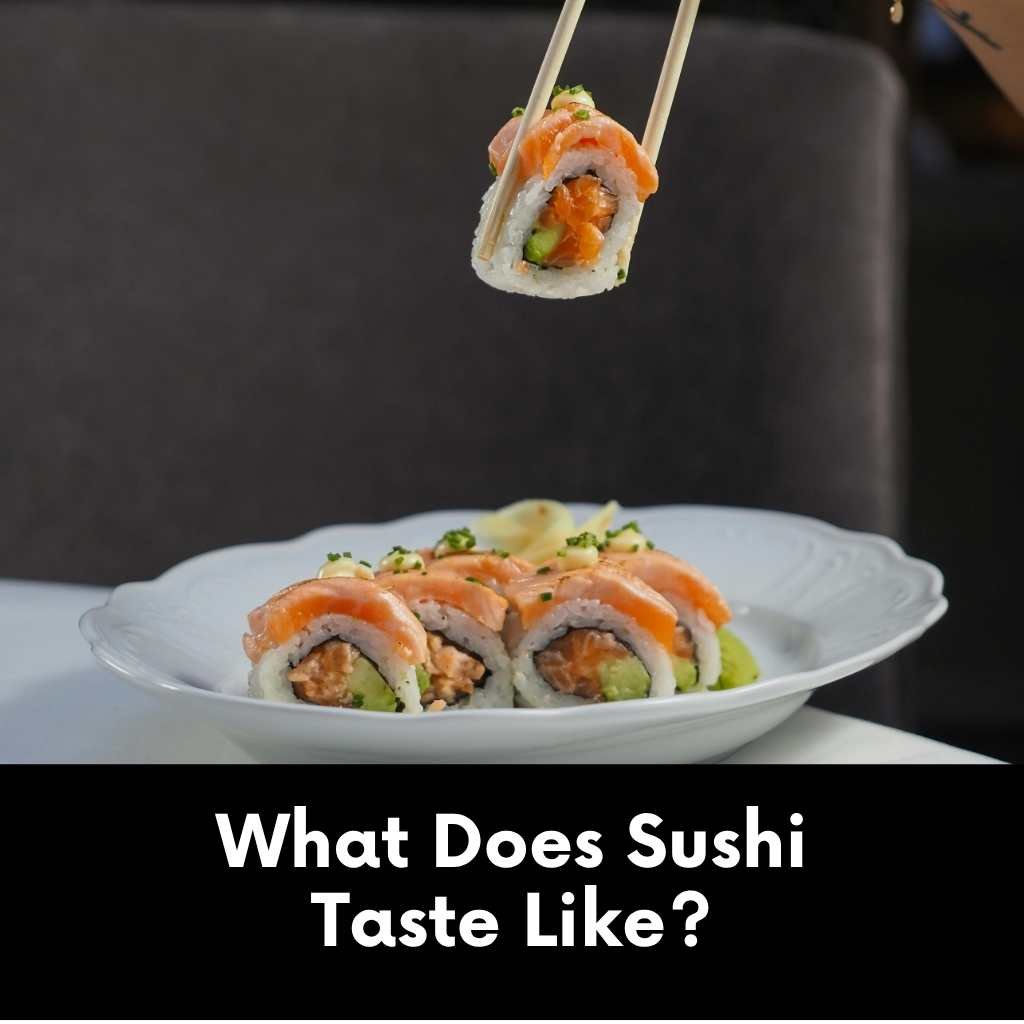
Sushi has a balanced taste that combines slightly sweet, tangy rice with fresh seafood or vegetables. The flavor can change depending on ingredients, sauces, and preparation style. It is designed to be light yet satisfying.
Some types taste rich and buttery, like salmon or tuna, while others feel crisp and refreshing, like cucumber rolls. Soy sauce adds saltiness, wasabi adds heat, and pickled ginger cleans the palate between bites.
Is Sushi Veg
Sushi is not always vegetarian, but it can be. Many sushi varieties include fish, seafood, or meat, but there are also vegetarian options made with vegetables, tofu, and egg. These are often called vegetable sushi rolls.
Common veg sushi includes cucumber rolls, avocado rolls, and pickled radish rolls. These options provide a fresh and healthy alternative while still keeping the traditional sushi structure of vinegared rice and fillings.
What Does Sushi Mean In Chinese
In Chinese, sushi is written as “寿司” and is pronounced as “shòu sī.” The characters are used mainly for phonetic translation rather than direct meaning. It represents the Japanese dish introduced into Chinese food culture through globalization.
In modern usage, the Chinese meaning of sushi aligns closely with the international understanding. It refers to vinegared rice combined with seafood or other ingredients. Sushi has become popular in many Chinese cities as part of international cuisine trends.
Does Sushi Mean Raw Fish
Sushi does not mean raw fish. The core definition of sushi is vinegared rice prepared in a specific way. Raw fish is only one possible ingredient used in certain types of sushi.
Many sushi varieties use cooked ingredients like shrimp, eel, or even vegetables. This makes sushi a flexible dish rather than something strictly raw. The misunderstanding comes from popular Western interpretations of Japanese food.
What Does Sushi Mean? The Simple and Accurate Definition
At its core, sushi meaning refers to a Japanese dish built around vinegared rice. The rice is the key element, not the fish.
The word “sushi” comes from old Japanese roots:
- “Su” = vinegar
- “Shi” = rice (derived from “meshi”)
So, sushi literally connects to sour or vinegared rice.
Simple Definition:
Sushi = vinegared rice combined with vegetables, seafood, or eggs.
That’s it. Fish is optional.
Common Misconception:
Many people believe:
Sushi = raw fish
But that is incorrect. Raw fish is only one possible ingredient.
For example:
- A cucumber roll is still sushi
- Egg sushi is still sushi
- Cooked shrimp sushi is still sushi
The rice defines it, not the protein.
Etymology and Linguistic Meaning of Sushi

To fully understand what does sushi mean, we need to look at its language roots.
Origin of the Word
The word evolved from early Japanese descriptions of fermented rice dishes. In ancient times, rice tasted sour due to fermentation, which shaped the name.
Semantic Evolution
Over centuries, sushi shifted meaning:
- Ancient era: fermented fish + sour rice
- Edo period: fresh fish + vinegared rice
- Modern era: global dish with many variations
This is called semantic shift, where meaning changes over time.
Key Linguistic Concept:
Sushi is an example of polysemy, meaning one word carries multiple related meanings depending on context.
The True Origin of Sushi (Historical Background)
Sushi did not start as a luxury food. It started as survival food.
Early Preservation Method
Ancient Japanese communities preserved fish using rice fermentation. The rice helped:
- Slow bacterial growth
- Create acidic conditions
- Extend shelf life
This process produced lactic acid naturally.
Edo Period Transformation
During the Edo period (1603–1868), sushi changed dramatically. People began eating it fresh instead of waiting for fermentation.
This shift created modern sushi culture.
Key Historical Figure
Hanaya Yohei
He is often credited with inventing nigiri sushi, the hand-pressed style we see today.
He made sushi faster, simpler, and more portable. That turned sushi into early “fast food” in Japan.
How Traditional Sushi Was Made
Early sushi looked very different from today’s version.
Traditional Process:
- Fish was salted heavily
- Fish was placed in fermented rice
- Natural bacteria broke down sugars
- Lactic acid formed over time
- Rice was often discarded
Scientific Breakdown:
Fermentation involves:
- Microorganisms breaking down carbohydrates
- Production of acids
- Natural preservation of protein
Why It Mattered:
This method allowed food storage before refrigeration existed.
Types of Sushi Explained Clearly
Sushi is not one dish. It’s a family of dishes.
Nigiri Sushi
Nigiri Sushi
- Hand-formed rice
- Topped with fish or seafood
- Often brushed with soy sauce
Simple, elegant, and traditional.
Maki Sushi
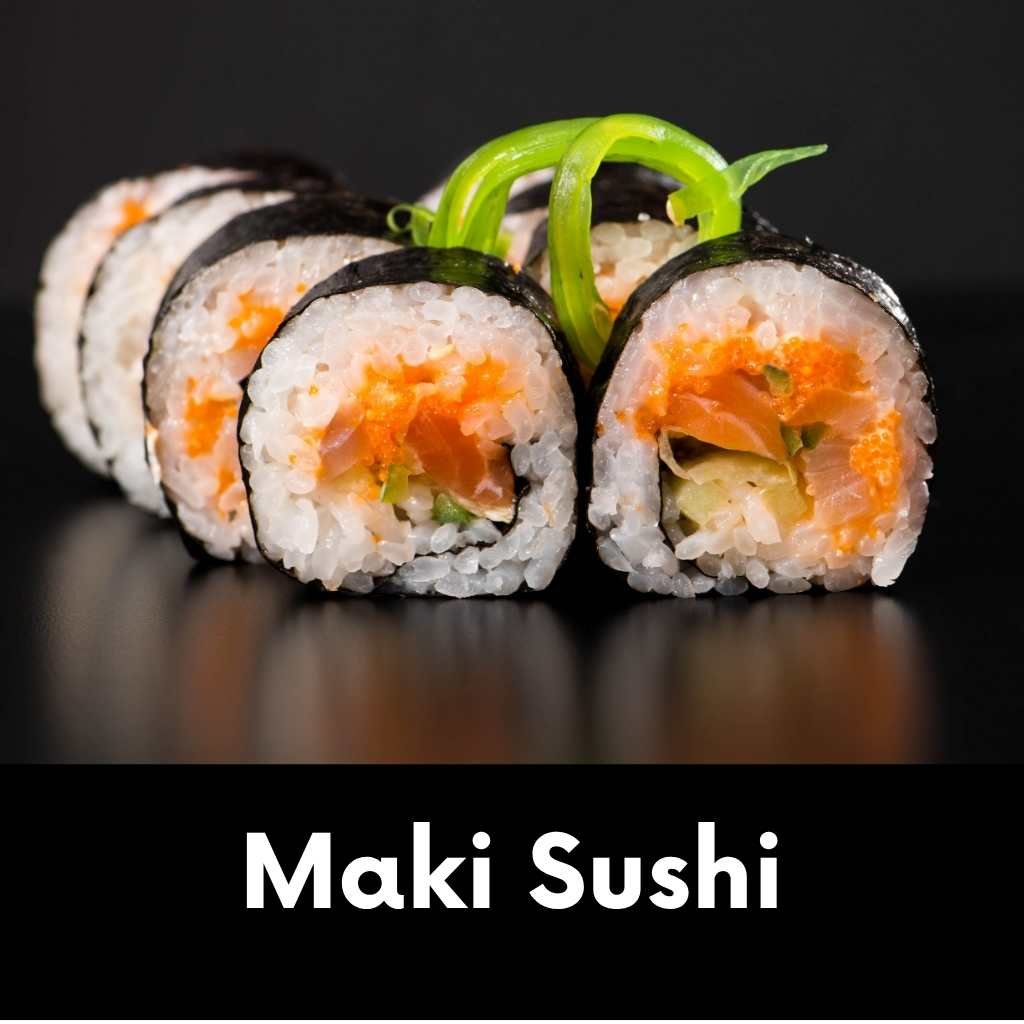
Maki Sushi
- Rice and fillings rolled in seaweed (nori)
- Cut into bite-sized pieces
- Popular worldwide
Common fillings include tuna, cucumber, and crab.
Sashimi (Important Distinction)
Sashimi
Sashimi is NOT sushi.
- No rice involved
- Pure raw fish slices
- Focus on texture and freshness
This is where most confusion happens.
Inari Sushi
Inari Sushi
- Sweet tofu pouch (bean curd)
- Filled with vinegared rice
- No raw fish required
Popular among vegetarians.
Modern Fusion Sushi
- California rolls
- Spicy tuna rolls
- Cream cheese sushi (Western adaptation)
These versions reflect global influence.
Sushi Ingredients and Their Roles
Each ingredient plays a purpose in balance and taste.
Core Ingredients Table
| Ingredient | Role in Sushi |
| Vinegared rice | Base structure |
| Nori (seaweed) | Wrap and flavor |
| Raw or cooked fish | Protein source |
| Vegetables | Texture and freshness |
| Soy sauce | Saltiness and umami |
| Wasabi | Heat and antibacterial effect |
Common Seafood Used
- Tuna
- Salmon
- Shrimp
- Octopus
- Eel
- Crab
- Squid
Each brings different flavor intensity and texture.
Sushi vs Sashimi vs Raw Fish
This confusion deserves a clear breakdown.
| Category | Contains Rice? | Contains Raw Fish? | Definition |
| Sushi | Yes | Sometimes | Vinegared rice dish |
| Sashimi | No | Yes | Sliced raw fish |
| Raw fish | No | Yes | Ingredient, not a dish |
Key Insight:
Raw fish is an ingredient. Sushi is a full dish structure.
Nutritional Value of Sushi
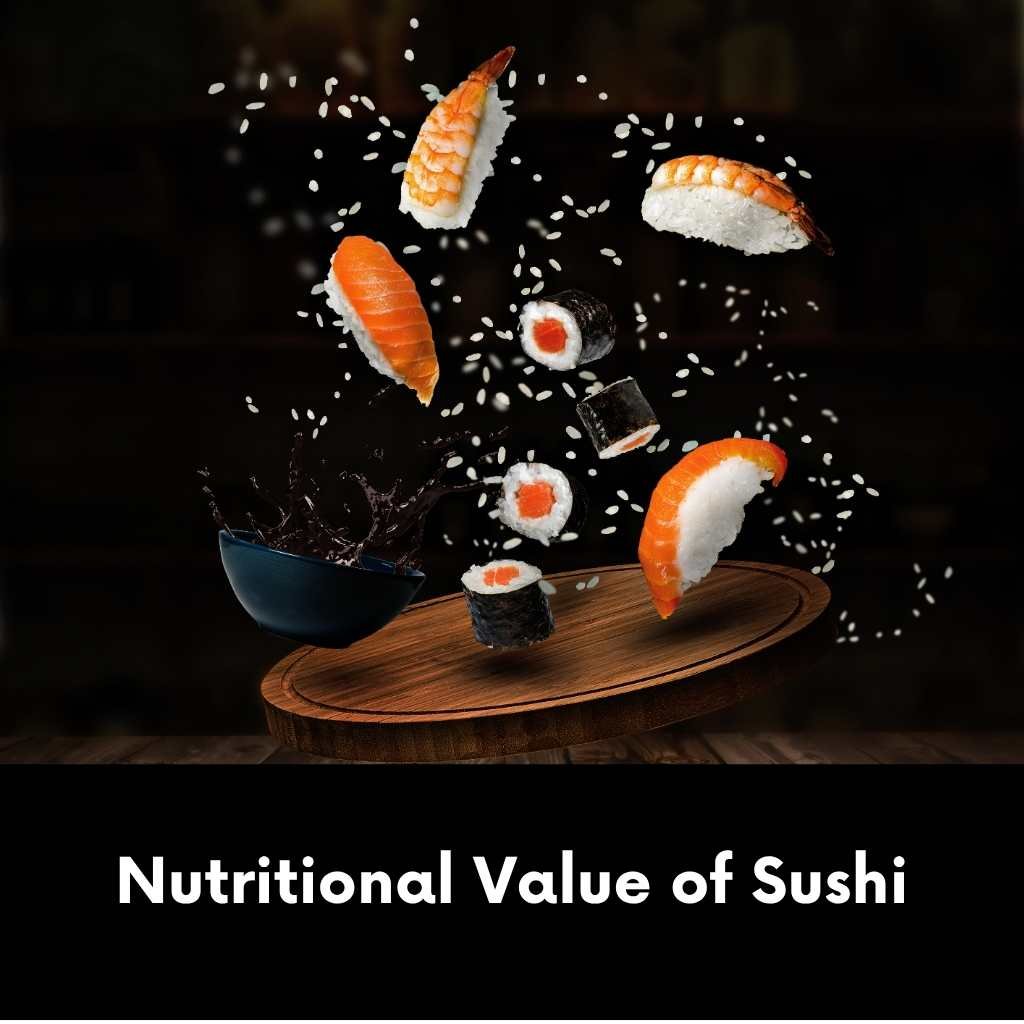
Sushi can be healthy, but it depends on ingredients.
Health Benefits:
- High protein from fish
- Omega-3 fatty acids support heart health
- Vitamins B12 and D support energy
- Selenium supports immunity
Nutrition Highlights:
- Low-calorie options: cucumber rolls, sashimi-style sushi
- Higher-calorie options: tempura rolls, mayo-based rolls
Quick Fact:
Salmon sushi is one of the richest natural sources of omega-3.
Health Risks and Safety Considerations
Raw seafood requires careful handling.
Main Risks:
- Parasites in raw fish
- Bacteria like Listeria monocytogenes
- Mercury in large fish species
- Cross-contamination
High-Risk Example:
- Fugu (pufferfish) contains tetrodotoxin, a deadly neurotoxin if improperly prepared
Only licensed chefs can serve it safely.
Cultural Meaning of Sushi in Japan
Sushi is more than food. It is craftsmanship.
Cultural Values:
- Precision
- Balance
- Respect for ingredients
- Minimalism
Dining Etiquette:
- Say “itadakimasu” before eating
- Use chopsticks carefully
- Avoid drowning sushi in soy sauce
Sushi Bar Culture:
Sushi chefs train for years to master:
- Rice texture
- Fish slicing
- Presentation balance
Evolution of Sushi Around the World
Sushi has transformed globally.
Japan:
- Traditional sushi remains highly respected
- Focus on simplicity and purity
United States:
- Fusion sushi became popular
- Larger rolls with multiple fillings
Global Influence:
- Sushi became a symbol of “healthy dining”
- Found in supermarkets, airports, and street food markets
Interesting Facts About Sushi
Here are real facts that surprise most people:
- Sushi originally used fermented rice, not fresh rice
- Early sushi was eaten with hands, not chopsticks
- Nigiri sushi was originally street food
- Sushi chefs train for up to 10 years in Japan
- Sushi became globally popular after World War II
Frequently Asked Questions
Is sushi always raw fish?
No. Many sushi types use cooked or vegetarian ingredients.
What is the real meaning of sushi?
Sushi means vinegared rice combined with other ingredients.
What is the difference between sushi and sashimi?
Sushi includes rice, while sashimi is just raw fish slices.
Is sushi healthy?
Yes, especially when it includes fresh fish and minimal sauces.
Can vegetarians eat sushi?
Yes. Options like cucumber rolls and inari sushi are vegetarian-friendly.
Conclusion | The Real Meaning of Sushi
Understanding what does sushi mean changes everything about how you see this food. Sushi is not raw fish. It is a carefully balanced dish built on vinegared rice and tradition. Its history stretches from ancient preservation methods to modern global cuisine. Each bite reflects culture, technique, and precision. Once you know its true meaning, sushi becomes more than food it becomes an art form.

Kevin Blake is an inspiring author whose words touch hearts and awaken minds. He has written remarkable books including “The Light Within”, “The Path of Serenity” and “Beyond the Horizon” each reflecting his deep wisdom and spiritual insight. Through his writings, Kevin encourages readers to embrace hope, kindness, and inner peace. His passion for storytelling comes from a sincere desire to spread light in a world that often forgets to pause and pray. May his words continue to guide souls toward faith, reflection, and love.