Have you ever noticed the phrase “All Rights Reserved” at the bottom of a website, book, photo, or video? It’s one of those legal terms that most people see every day but rarely stop to understand. Whether you’re a content creator, business owner, student, or simply browsing online, you’ve probably wondered what it actually means.
In today’s digital world, where copying and sharing content takes only a few clicks, understanding copyright has become more important than ever. Knowing what All Rights Reserved means can help you avoid legal issues and respect the work of others.
Based on years of observing online publishing, copyright practices, and digital content trends, one thing is clear: this small phrase carries a big message about ownership and permission.
What Does All Rights Reserved Mean?
All Rights Reserved means that the creator or copyright owner keeps all legal rights to their original work. Others cannot copy, reproduce, distribute, modify, or use the content without permission unless an exception, such as fair use or local copyright law, applies. It serves as a notice that the work is protected by copyright.
Meaning & Definition
The phrase All Rights Reserved tells readers that the owner of a creative work has not given the public permission to freely use it.
In simple terms, it means:
“This content belongs to me, and you must get my permission before using it.”
The phrase is commonly found on:
- Websites
- Books
- Blogs
- Videos
- Music
- Software
- Photographs
- Digital artwork
- Online courses
Primary Meaning
The primary meaning of All Rights Reserved is that the copyright owner keeps exclusive control over how their work is used.
These exclusive rights often include the right to:
- Copy the work
- Publish it
- Sell it
- Share it
- Translate it
- Modify it
- Display it publicly
- Create new versions based on it
Without permission, others generally cannot perform these actions legally.
Secondary Meanings
Depending on the context, All Rights Reserved may also communicate that:
- The content is protected by copyright law.
- Permission is required before reuse.
- Commercial use is prohibited without approval.
- Unauthorized copying may lead to legal action.
- The creator values and protects their intellectual property.
Chat Examples
Example 1
Sarah: Can I copy this article to my website?
David: It says “All Rights Reserved,” so you’ll need permission first.
Example 2
Ali: Can I use this photo in my business brochure?
Emma: Not unless the owner allows it or provides a license.
Background & Origin
The phrase All Rights Reserved has been around for more than a century and is closely linked to international copyright protection.
Years ago, some countries required copyright owners to include this notice to receive legal protection in certain places. It was especially associated with international copyright agreements that encouraged creators to identify their ownership clearly.
Over time, copyright laws changed in many countries.
Today, in most parts of the world, a creative work is automatically protected by copyright as soon as it is created and recorded in a tangible form. That means you don’t have to write All Rights Reserved for your work to be protected.
Even so, many creators continue using the phrase because it clearly reminds others that the content isn’t free to copy.
Why Did It Become Popular?
The phrase became common because it offered a simple way to tell readers:
- This work belongs to someone.
- Copyright protection exists.
- Permission is required before reuse.
Before the internet, publishers placed it inside books and magazines.
Today, you’ll see it on almost every type of digital content.
Why Do People Use “All Rights Reserved”?
Although copyright protection often exists automatically, creators still display the notice for several practical reasons.
1. It Reminds People About Copyright
Many internet users mistakenly believe that if something is online, it is free to copy.
Adding All Rights Reserved helps reduce that misunderstanding.
2. It Discourages Unauthorized Copying
The notice acts as a warning that the owner actively protects their work.
While it doesn’t stop someone from copying content, it may discourage casual infringement.
3. It Shows Professionalism
Businesses, bloggers, authors, photographers, and software companies often include copyright notices to demonstrate that they manage their intellectual property responsibly.
4. It Clarifies Ownership
When multiple people access or share content, a copyright notice helps identify who owns the original work.
This can be useful if disputes arise later.
What Rights Are Reserved?
The phrase refers to several important legal rights granted to copyright owners.
These rights usually include:
Reproduction Rights
Only the copyright owner has the right to make copies of the work.
For example:
- Printing a book
- Copying an article
- Downloading and redistributing software
Distribution Rights
The owner controls how the work is shared with others.
Examples include:
- Selling books
- Offering downloads
- Distributing videos
- Sharing music files
Public Display Rights
Certain works can only be displayed publicly with permission.
Examples include:
- Artwork
- Photography
- Movies
- Presentations
Adaptation Rights
Only the owner may create:
- Translations
- Remixes
- Edited versions
- Movie adaptations
- Derivative works
Commercial Rights
Businesses generally cannot profit from copyrighted content without authorization.
For example, selling printed copies of someone else’s artwork would normally require permission.
Usage in Different Contexts
The meaning of All Rights Reserved stays consistent, but you’ll encounter it in many different situations.
Websites
Most websites display the notice in the footer.
Example:
© 2026 ABC Media. All Rights Reserved.
This tells visitors that the website’s text, images, graphics, and other original content are protected.
Books
Authors and publishers usually include the phrase near the copyright page.
Example:
No part of this publication may be reproduced without written permission.
This helps protect the book from unauthorized copying.
Photography
Professional photographers often place the notice beneath images or in portfolio websites.
It reminds viewers that downloading or reusing the images without permission may violate copyright.
Software
Software companies commonly include copyright notices inside:
- Applications
- Installation files
- User agreements
- Documentation
The notice helps define how users may legally use the software.
Social Media
Although social media posts are automatically protected by copyright in many countries, some creators still write:
© All Rights Reserved
in their captions, biographies, or image descriptions.
This serves as an additional reminder that reposting without permission may not be allowed.
What Does It Mean Across Different Platforms?
| Platform | Meaning | Example |
| Website | Content is protected by copyright | “© 2026 XYZ Blog. All Rights Reserved.” |
| Original photos and captions belong to the creator | “Please don’t repost without permission.” | |
| YouTube | Videos are protected from unauthorized copying | “All Rights Reserved” in the description. |
| Original posts remain copyrighted | Creator asks others not to reuse content. | |
| TikTok | Videos and creative edits belong to the original creator | “Reuploading isn’t permitted.” |
Notice that regardless of the platform, the basic message remains the same:
The creator owns the work and controls how it may be used.
Real-Life Examples
Here are some situations where All Rights Reserved matters.
Example 1
A blogger spends weeks writing an in-depth article.
Another website copies the entire article without permission.
Because the original article is protected by copyright, the owner can request its removal and may have legal options depending on local laws.
Example 2
A photographer uploads wedding photos online with the notice:
© Sarah Photography. All Rights Reserved.
A business downloads one of the photos for an advertisement without permission.
Since the creator reserved all rights, the business should have obtained a license first.
Example 3
A software developer creates a mobile app and includes:
© 2026 TechNova. All Rights Reserved.
This informs users that copying, modifying, or redistributing the software without authorization is generally prohibited.
Cultural or Regional Interpretations
Although the phrase All Rights Reserved is recognized worldwide, its legal impact depends on each country’s copyright laws. The wording is universal, but copyright rules can vary slightly from one region to another.
United States
In the United States, copyright protection begins automatically once an original work is created and fixed in a tangible form. Adding All Rights Reserved isn’t legally required, but many businesses, authors, and creators still include it to make ownership clear.
United Kingdom
The UK follows a similar approach. Original works are protected by copyright without requiring registration or a copyright notice. However, publishers often display All Rights Reserved to discourage unauthorized copying and licensing issues.
Asia (India, Pakistan, and the Philippines)
In countries like India, Pakistan, and the Philippines, you’ll commonly see All Rights Reserved on websites, books, educational materials, and software. While copyright laws differ slightly, the phrase generally tells readers that permission is required before using the content.
Australia
Australian creators also receive automatic copyright protection. Businesses, photographers, and online publishers frequently include All Rights Reserved to reinforce ownership and reduce confusion about permitted use.
Other Meanings of All Rights Reserved
Although All Rights Reserved is primarily a copyright notice, it may appear in different industries with the same core purpose.
| Field | Meaning | Description |
| Copyright Law | Full copyright protection | The owner keeps all legal rights to the work. |
| Publishing | Content ownership | Books and magazines cannot be reproduced without permission. |
| Photography | Image protection | Photos may not be reused without authorization. |
| Software | License protection | Users cannot copy or redistribute the software unlawfully. |
| Website Publishing | Digital copyright notice | Website content belongs to its creator or company. |
Common Mistakes & Misconceptions
Many people misunderstand what All Rights Reserved actually means.
- It means nobody can ever use the content. Not always. The owner can grant permission or sell a license.
- It’s legally required for copyright protection. In most countries, copyright exists automatically.
- Anything without the notice is free to copy. False. Copyright often applies even if no notice appears.
- Giving credit replaces permission. Mentioning the creator doesn’t automatically allow you to copy their work.
- Everything online is public domain. Simply being on the internet doesn’t remove copyright protection.
Psychological & Practical Meaning
Besides its legal purpose, All Rights Reserved also influences how people think about a piece of content.
Positive
For creators, it provides confidence that their work is clearly identified as their own. It encourages originality and protects creative effort.
Neutral
Most readers simply recognize it as a standard copyright notice found on websites, books, or digital products.
Negative
Some people mistakenly assume the phrase means content is impossible to share. In reality, many creators happily allow use through licenses or written permission.
Similar Terms & Alternatives
Several copyright-related phrases are often confused with All Rights Reserved.
| Term | Meaning | Tone |
| Copyright | Legal protection for creative work | Formal |
| Creative Commons | Allows limited public use under specific conditions | Flexible |
| Public Domain | No exclusive copyright restrictions | Open |
| Licensed Content | Permission granted under agreed terms | Professional |
| Some Rights Reserved | Certain uses are allowed while others remain restricted | Balanced |
Is “All Rights Reserved” Legally Required?
In most countries today, no.
Modern copyright laws automatically protect original works without requiring this phrase.
However, displaying All Rights Reserved still offers several benefits:
- It reminds people the content belongs to someone.
- It discourages casual copying.
- It helps establish ownership in a clear way.
- It supports professional branding.
For these reasons, many companies continue using it even though it isn’t mandatory.
Grammar & Linguistic Insight
The phrase All Rights Reserved is a legal expression rather than a normal sentence.
Breaking it down:
- All = every available legal right.
- Rights = ownership rights granted under copyright law.
- Reserved = kept by the owner instead of being given to the public.
Although it sounds like a complete sentence, it’s actually a concise legal notice.
Over time, the phrase has become one of the most recognizable copyright statements worldwide.
How to Respond If Someone Wants to Use Your Content
If someone asks whether they can use your work, here are a few natural responses.
- “Thanks for asking. Please contact me first for permission.”
- “This content is protected by copyright, but licensing may be available.”
- “You’re welcome to quote a small portion with proper attribution where legally permitted.”
- “Commercial use requires written permission.”
- “I’d be happy to discuss how you can legally use this content.”
These responses are polite while making your rights clear.
Differences From Similar Copyright Terms
People often confuse All Rights Reserved with other legal terms. Here’s how they differ.
| Term | Main Difference |
| All Rights Reserved | The owner keeps all copyright rights unless permission is granted. |
| Copyright | The legal protection itself. |
| Creative Commons | Allows certain public uses under specific license conditions. |
| Public Domain | Anyone may generally use the work without needing permission. |
| Fair Use | Limited legal exception allowing certain uses without permission in specific situations. |
Understanding these differences helps avoid accidental copyright infringement.
Relevance in Business & Online Culture
In today’s digital economy, All Rights Reserved is more important than ever.
Businesses use it to protect:
- Blog articles
- Product descriptions
- Website designs
- Marketing materials
- Logos
- Videos
- Training courses
- Software
Content creators on YouTube, TikTok, Instagram, and other platforms also rely on copyright notices to remind viewers that their original work cannot simply be copied and reposted.
As online content continues to grow, respecting copyright has become an essential part of responsible digital behavior.
Popularity & Trends
Searches for what does all rights reserved mean continue to increase because more people are creating digital content than ever before.
Common reasons people search this topic include:
- Starting a blog or website
- Launching an online business
- Publishing an ebook
- Selling digital products
- Creating YouTube videos
- Uploading photography portfolios
- Learning about copyright law
The rise of AI tools, social media, and online publishing has also increased public interest in copyright and intellectual property.
When NOT to Use “All Rights Reserved”
Although the phrase is useful, it isn’t appropriate in every situation.
Open-Source Projects
If you want others to freely modify or distribute your software, an open-source license is usually more suitable than All Rights Reserved.
Creative Commons Content
If your goal is to encourage sharing under certain conditions, use an appropriate Creative Commons license instead.
Public Domain Works
Material intentionally placed in the public domain shouldn’t display All Rights Reserved, since the creator has chosen not to reserve exclusive rights.
Collaborative Community Projects
Some community-driven resources are designed for public contribution and reuse. Restrictive copyright notices may conflict with that purpose.
Content You Don’t Own
Never place All Rights Reserved on someone else’s work. Only the copyright owner or authorized rights holder should use the notice.
Frequently Asked Questions
What does All Rights Reserved mean?
It means the copyright owner keeps all legal rights to their original work. Others generally need permission before copying, sharing, or modifying it.
Is All Rights Reserved the same as copyright?
Not exactly. Copyright is the legal protection itself, while All Rights Reserved is a notice indicating that the owner is keeping those rights.
Can I use content marked All Rights Reserved?
Usually, you need permission unless your use falls under a legal exception such as fair use or another applicable copyright rule.
Do I need to write All Rights Reserved on my website?
In most countries, it’s optional because copyright exists automatically. Many website owners still include it as a clear reminder of ownership.
What is the difference between All Rights Reserved and Creative Commons?
All Rights Reserved keeps all copyright rights with the owner, while Creative Commons licenses allow certain uses under clearly defined conditions.
Conclusion
If you’ve ever wondered what does All Rights Reserved mean, the answer is straightforward: it tells the world that the creator owns the work and keeps the legal rights to control how it is copied, shared, modified, or distributed.
Although modern copyright laws often protect creative works automatically, this familiar phrase remains an important reminder that original content deserves respect. Whether you’re publishing a website, writing a book, creating videos, or simply using online resources, understanding All Rights Reserved helps you make informed and responsible decisions. The next time you see © 2026 All Rights Reserved at the bottom of a webpage or inside a book, you’ll know it’s more than just fine print it’s a clear statement of ownership and protection.
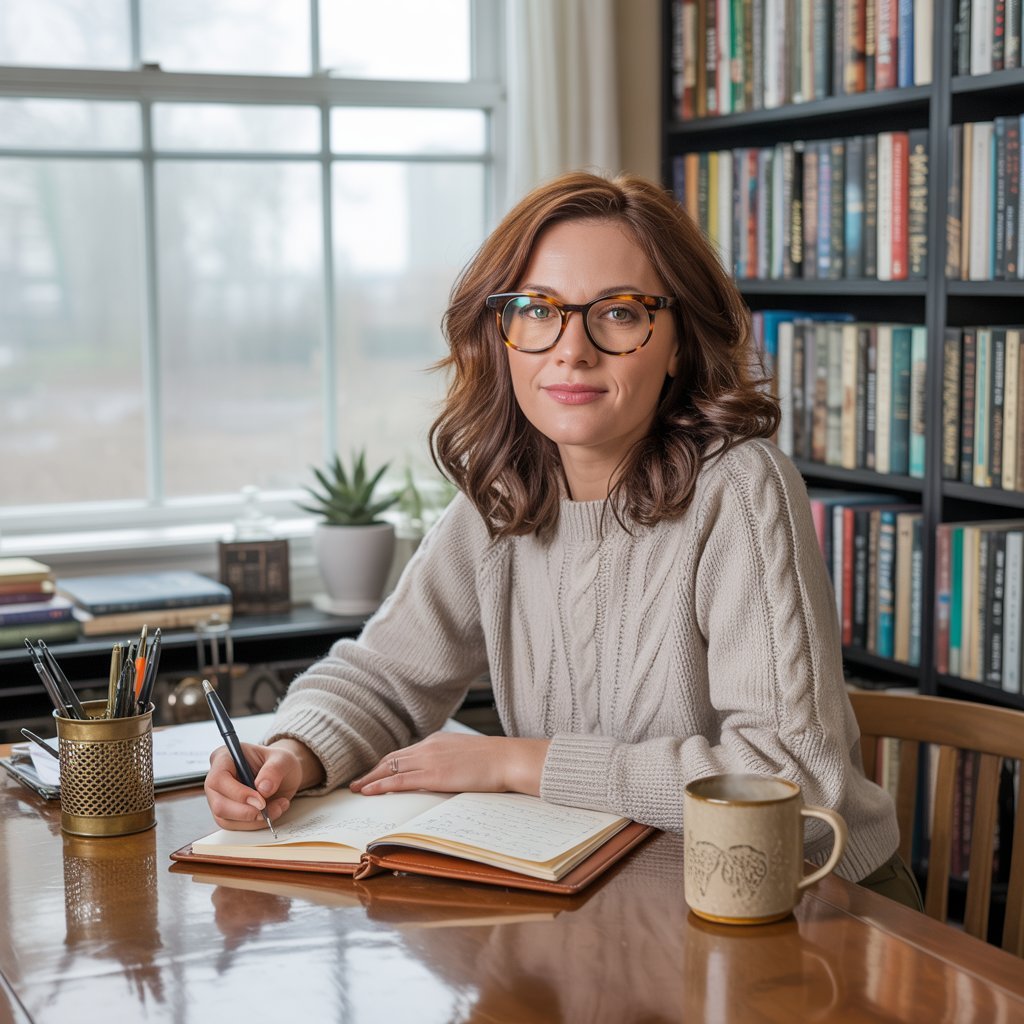
Bella Adams is a passionate writer, dreamer, and believer in the power of words to heal and inspire. Known for her heartfelt storytelling and soulful expression, Bella has touched readers across the world with her ability to turn everyday emotions into timeless reflections.
She is the author of “Echoes of a Silent Heart”, a deeply emotional journey about love, loss, and rediscovery; “The Garden Where Time Sleeps”, a story that explores the quiet strength found in forgiveness; and “When the Stars Remember Us”, an inspiring tale of hope and destiny woven through generations.
When Bella isn’t writing, she spends her time journaling near her favorite coffee shop window, finding poetry in ordinary moments, and encouraging others to live with grace, courage, and heart. Through every story she writes, Bella hopes to remind readers that even in life’s darkest nights — there’s always a light waiting to be found.