
The lotus flower is one of the world’s most meaningful and recognizable symbols. Growing from muddy water before blooming into a beautiful flower, it has inspired people for thousands of years.
But what does the lotus flower mean, and why does it appear in so many religions, cultures, tattoos, and works of art?
Its symbolism goes far beyond beauty. The lotus represents purity, spiritual awakening, resilience, hope, wisdom, and personal growth. Different cultures interpret its meaning in unique ways, while each lotus flower color carries its own special message.
Whether you’re curious about its spiritual significance, considering a lotus tattoo, or simply interested in flower symbolism, this guide explains everything you need to know about the meaning of the lotus flower.
Quick Facts About the Lotus Flower
| Feature | Details |
| Common Name | Lotus Flower |
| Scientific Name | Nelumbo nucifera |
| Native Regions | Asia and Australia |
| Symbolizes | Purity, enlightenment, rebirth, resilience, peace |
| Common Colors | White, pink, blue, red, purple, yellow |
| Religious Importance | Hinduism, Buddhism, Jainism, Ancient Egyptian beliefs |
| Habitat | Lakes, ponds, wetlands, and slow-moving water |
| Blooming Season | Usually summer |
| Lifespan | Perennial aquatic plant |
| Famous For | Rising clean and beautiful from muddy water |
What Does the Lotus Flower Mean?
The lotus flower is widely recognized as a symbol of overcoming challenges. Although its roots grow in muddy water, the flower rises above the surface and blooms without stains. This remarkable journey has made it a universal symbol of hope and transformation.
The lotus commonly represents:
- Spiritual enlightenment
- Inner peace
- Personal growth
- Purity of heart and mind
- New beginnings
- Strength during difficult times
- Faith and devotion
- Beauty despite adversity
Its ability to thrive in challenging environments reminds people that hardships can lead to wisdom and personal success.
The Origin and Natural Background of the Lotus Flower
The lotus has been cultivated for thousands of years throughout Asia. It naturally grows in freshwater ponds, marshes, and lakes where its roots remain anchored in thick mud while its leaves and flowers float gracefully above the water.
One fascinating feature is its self-cleaning surface. Tiny microscopic structures on its petals repel water and dirt, a phenomenon known as the “lotus effect.” This natural characteristic further reinforces its symbolic connection to purity.
Today, lotus flowers are found across many countries including India, China, Thailand, Vietnam, Japan, Sri Lanka, and parts of Australia.
History of the Lotus Flower Symbol
The lotus has been admired for more than 5,000 years.
Ancient Egypt
Ancient Egyptians associated the lotus with the sun because the flower opened during daylight and closed at night. It became a symbol of creation, rebirth, and eternal life.
Lotus flowers frequently appeared in tomb paintings, temple carvings, jewelry, and royal decorations.
Ancient India
In India, the lotus became one of the most sacred flowers in religious traditions. Many Hindu deities, including Lakshmi and Brahma, are often shown sitting or standing on lotus flowers to symbolize divine purity and wisdom.
Buddhism
As Buddhism spread across Asia, the lotus became one of its most recognized symbols. Buddha is frequently depicted seated upon a lotus throne, representing enlightenment achieved despite life’s difficulties.
Modern Times
Today, the lotus remains popular in art, architecture, meditation practices, yoga, jewelry, fashion, and tattoos. Its timeless symbolism continues to inspire people around the world.
Lotus Flower Meaning in Different Religions
Hinduism
In Hinduism, the lotus symbolizes:
- Divine beauty
- Prosperity
- Purity
- Spiritual awakening
- Creation
- Sacred wisdom
Several important gods and goddesses are closely connected with the lotus, making it one of Hinduism’s holiest symbols.
Buddhism
Buddhists view the lotus as a reminder that enlightenment is possible regardless of one’s background or struggles.
It represents:
- Mindfulness
- Compassion
- Wisdom
- Detachment from worldly desires
- Inner peace
Jainism
In Jainism, the lotus represents spiritual purity and is connected with several revered teachers known as Tirthankaras.
Ancient Egyptian Beliefs
The lotus symbolized:
- The cycle of life
- Resurrection
- Creation
- The rising sun
- Immortality
What Do Different Lotus Flower Colors Mean?
White Lotus Meaning
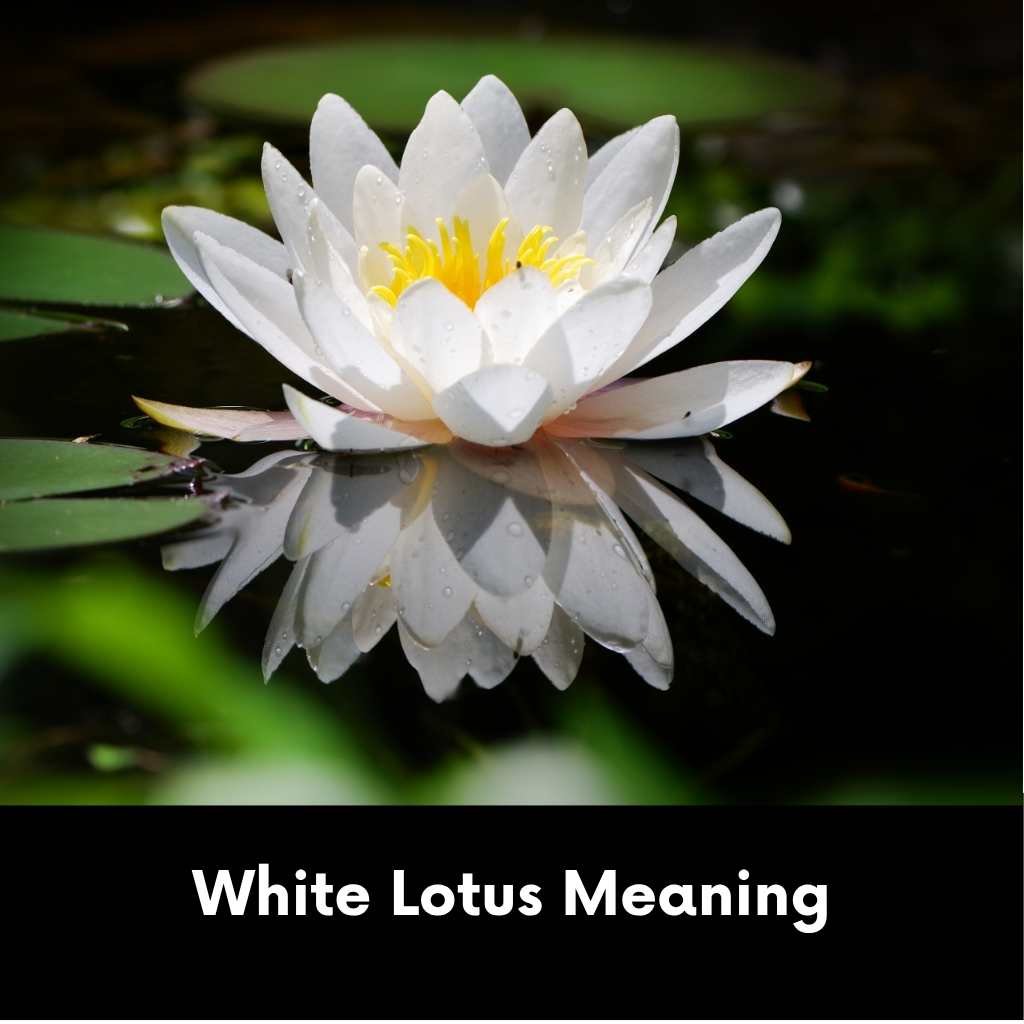
The white lotus symbolizes:
- Purity
- Innocence
- Peace
- Spiritual perfection
- Calmness
It is often associated with meditation and higher consciousness.
Pink Lotus Meaning
The pink lotus is considered the most sacred variety in Buddhism.
It represents:
- Enlightenment
- Divine wisdom
- Compassion
- Spiritual devotion
Blue Lotus Meaning
The blue lotus symbolizes:
- Knowledge
- Wisdom
- Intelligence
- Victory over temptation
It is commonly linked with learning and spiritual understanding.
Red Lotus Meaning
The red lotus reflects the qualities of the heart.
It symbolizes:
- Love
- Compassion
- Kindness
- Generosity
- Emotional strength
Purple Lotus Meaning
Purple lotus flowers represent:
- Spiritual growth
- Mystery
- Meditation
- Higher awareness
Yellow or Golden Lotus Meaning
Golden lotus flowers symbolize:
- Achievement
- Success
- Prosperity
- Divine blessings
- Joy
20 Interesting Facts About the Lotus Flower
1. The lotus grows from mud but blooms spotless.
Its clean petals symbolize overcoming life’s hardships without losing one’s values. This natural process has inspired countless spiritual teachings.
2. Lotus seeds can survive for centuries.
Researchers have successfully germinated lotus seeds that were more than 1,000 years old, making them some of the oldest viable seeds ever discovered.
3. The lotus is India’s national flower.
It represents the country’s cultural heritage, spirituality, and resilience.
4. The flower opens with sunlight.
Many lotus flowers bloom during the day and close at night, symbolizing renewal and hope.
5. Water easily rolls off lotus leaves.
Their unique surface keeps them naturally clean, inspiring scientific innovations in self-cleaning materials.
6. Every flower color tells a different story.
Unlike many flowers, lotus colors have distinct symbolic meanings in religion and culture.
7. It appears in ancient artwork worldwide.
Lotus designs decorate temples, sculptures, coins, manuscripts, and paintings across Asia and Egypt.
8. The lotus is linked with meditation.
Many meditation spaces feature lotus imagery because it represents mental clarity and peace.
9. It inspired architectural designs.
Many famous buildings include lotus-inspired shapes in their design, reflecting beauty and harmony.
10. Lotus flowers support aquatic ecosystems.
They provide shelter for fish, insects, frogs, and birds while helping maintain healthy wetlands.
11. Lotus flowers regulate their temperature.
Some species can produce heat, helping attract pollinating insects even in cooler weather.
12. Every part of the lotus has a purpose.
Its flowers, seeds, leaves, roots, and stems are used in cooking, medicine, or decoration in different cultures.
13. The lotus is popular in yoga.
The lotus position (Padmasana) is one of the most famous meditation poses.
14. Lotus symbolism crosses cultures.
Despite different beliefs, many civilizations independently connected the lotus with renewal and hope.
15. It has inspired countless tattoos.
People choose lotus tattoos to represent healing, recovery, and new beginnings.
16. The flower follows seasonal rhythms.
Lotus plants bloom during warmer months and return each year, reinforcing their association with rebirth.
17. Lotus roots are edible.
In many Asian cuisines, lotus root is valued for its crunchy texture and nutritional benefits.
18. It plays a role in traditional medicine.
Various parts of the lotus have long been used in traditional healing practices across Asia.
19. Scientists study the lotus effect.
Its naturally water-repellent surface has inspired advances in coatings, textiles, and engineering.
20. The lotus remains a timeless symbol.
Thousands of years after first appearing in ancient civilizations, it continues to represent resilience, beauty, and spiritual growth around the world.
Cultural Importance of the Lotus Flower
The lotus plays a significant role in festivals, ceremonies, artwork, and traditional celebrations throughout Asia.
It frequently appears in:
- Religious rituals
- Temple decorations
- Wedding ceremonies
- Paintings
- Sculptures
- Poetry
- Traditional clothing
- Home decoration
Its symbolism of peace and renewal makes it suitable for both joyful celebrations and moments of reflection.
Lotus Flower in Food, Medicine and Everyday Life
Beyond symbolism, the lotus has practical uses.
The edible lotus root is widely used in soups, stir-fries, salads, and snacks. Lotus seeds are eaten roasted, boiled, or made into desserts in many Asian countries.
Traditional medicine has also used lotus leaves, flowers, and seeds for centuries, although modern medical evidence varies depending on the specific use.
Today, lotus-inspired products include:
- Herbal teas
- Essential oils
- Skincare products
- Jewelry
- Home décor
- Yoga accessories
- Meditation artwork
Why the Lotus Flower Is Still Important Today
The lotus continues to inspire millions because its message remains relevant. In a world filled with challenges, the flower reminds people that difficult circumstances do not define their future.
Its symbolism resonates with individuals pursuing:
- Personal growth
- Emotional healing
- Spiritual development
- Mindfulness
- Self-improvement
- Recovery after hardship
For many, the lotus serves as a daily reminder that beauty and strength can emerge from life’s most difficult moments.
Frequently Asked Questions
What does the lotus flower mean spiritually?
Spiritually, the lotus symbolizes enlightenment, purity, inner peace, wisdom, and the journey toward personal growth despite life’s challenges.
Why is the lotus flower considered sacred?
The lotus is considered sacred because it rises clean from muddy water, representing purity, spiritual awakening, and the triumph of goodness over adversity.
What does a pink lotus symbolize?
A pink lotus symbolizes enlightenment, compassion, divine wisdom, and is especially significant in Buddhist traditions.
Is the lotus flower a symbol of resilience?
Yes. The lotus is widely viewed as a symbol of resilience because it grows in muddy conditions yet blossoms into a beautiful flower.
What does a lotus tattoo mean?
A lotus tattoo often represents personal transformation, healing, strength, rebirth, inner peace, and overcoming difficult experiences.
Which religion values the lotus flower the most?
The lotus holds deep importance in several religions, particularly Hinduism, Buddhism, and Jainism, where it symbolizes purity, enlightenment, and divine wisdom.
Conclusion
The answer to what does the lotus flower mean goes far beyond its striking appearance. Across cultures and centuries, it has represented purity, resilience, enlightenment, hope, and renewal. From ancient Egypt to modern meditation practices, the lotus continues to inspire people to rise above challenges and grow into their best selves.
Whether admired for its natural beauty, spiritual symbolism, or cultural significance, the lotus remains one of the world’s most meaningful flowers. Its timeless message reminds us that even in difficult circumstances, growth, wisdom, and beauty are always possible.

George Knight is a passionate writer, thinker, and believer whose words aim to touch hearts and inspire minds. With a deep love for faith, humanity, and purpose, he writes to remind readers that every soul has a story and every journey has meaning.
He is the author of several inspiring books, including “Echoes of Grace“, “The Silent Prayer“, and “Footprints of Faith“, each filled with reflections on hope, love, and divine strength. Through his writing, George seeks to help others find peace in prayer, courage in faith, and light in moments of darkness.
For George, writing isn’t just expression — it’s a prayer in motion, a way to connect with something greater than ourselves. His words encourage readers to pause, breathe, and believe that grace still flows quietly through every chapter of life.