
“What does toggle mean?” If you’ve ever adjusted a phone setting, switched between browser tabs, enabled dark mode, or changed a game control, you’ve probably used a toggle without realizing it.
The word “toggle” appears everywhere in modern technology, yet many people are unsure what it actually means. In simple terms, a toggle allows you to switch between two or more states.
You can toggle a feature on or off, move between options, or change modes with a single action. From smartphones and websites to gaming controls and software applications, toggles make digital interactions faster and easier.
This guide explains the meaning of toggle in plain English, explores how it works in different contexts, and provides practical examples you encounter every day.
What Does Toggle Mean In Minecraft?
In Minecraft, toggle means switching a game feature between two states without holding a key. For example, you can toggle sprint, sneak, or perspective mode so they stay active until you press the key again. This makes gameplay more comfortable during long building sessions or exploration. Many players customize toggle settings to improve movement and accessibility. Understanding how toggle works can help you play more efficiently and enjoy smoother controls. It is a common term in Minecraft settings and gameplay guides.
Test Bed Meaning
A test bed is an environment or setup used to test new ideas, products, software, or technologies before they are officially released. It allows developers and researchers to identify problems, measure performance, and improve reliability in a controlled setting. Test beds are widely used in engineering, software development, and scientific research. They help reduce risks by finding issues early in the development process. The term is also used for pilot projects that evaluate real-world performance. Overall, a test bed provides a safe space for experimentation and innovation.
Toggle Button Meaning
A toggle button is a type of button that switches between two different states, such as on and off or enabled and disabled. Unlike a regular button that performs a one-time action, a toggle button stays in its selected state until it is pressed again. It is commonly found in mobile apps, websites, software, and electronic devices. Toggle buttons make it easy for users to control settings with a single click or tap. They improve user experience by clearly showing whether a feature is active or inactive. This simple design is widely used in modern user interfaces.
Toggle On And Off Meaning Slang
In slang, toggle on and off is often used to describe quickly changing between different moods, behaviors, or attitudes. Someone may say a person can “toggle on and off” if they suddenly become serious, funny, friendly, or distant depending on the situation. The phrase can also refer to switching focus, emotions, or energy levels without much effort. Although it comes from technology, it is now used casually in everyday conversations. The meaning depends on the context but usually suggests a fast and noticeable change. It is especially common in online discussions and social media.
Toggle On And Off Meaning Cambridge
According to the Cambridge definition, toggle means to switch between two different positions, states, or options. Therefore, toggle on and off refers to changing something from active to inactive and back again. This meaning is commonly used for electronic devices, software settings, and digital controls. For example, you can toggle Wi-Fi, Bluetooth, or dark mode on and off with a single action. The term highlights an easy way to alternate between two choices. It is widely recognized in technology and everyday English.
Toggle Meaning
The word toggle means to switch between two different states, options, or modes. It is most commonly used in technology, where users can turn features on and off with a button or switch. However, the term can also describe changing between choices in everyday situations. For example, you might toggle between two browser tabs or alternate between different settings. The action is usually quick and reversible, making it convenient for users. Toggle is a widely used term in computers, smartphones, and digital applications.
Toggle Meaning In Computer
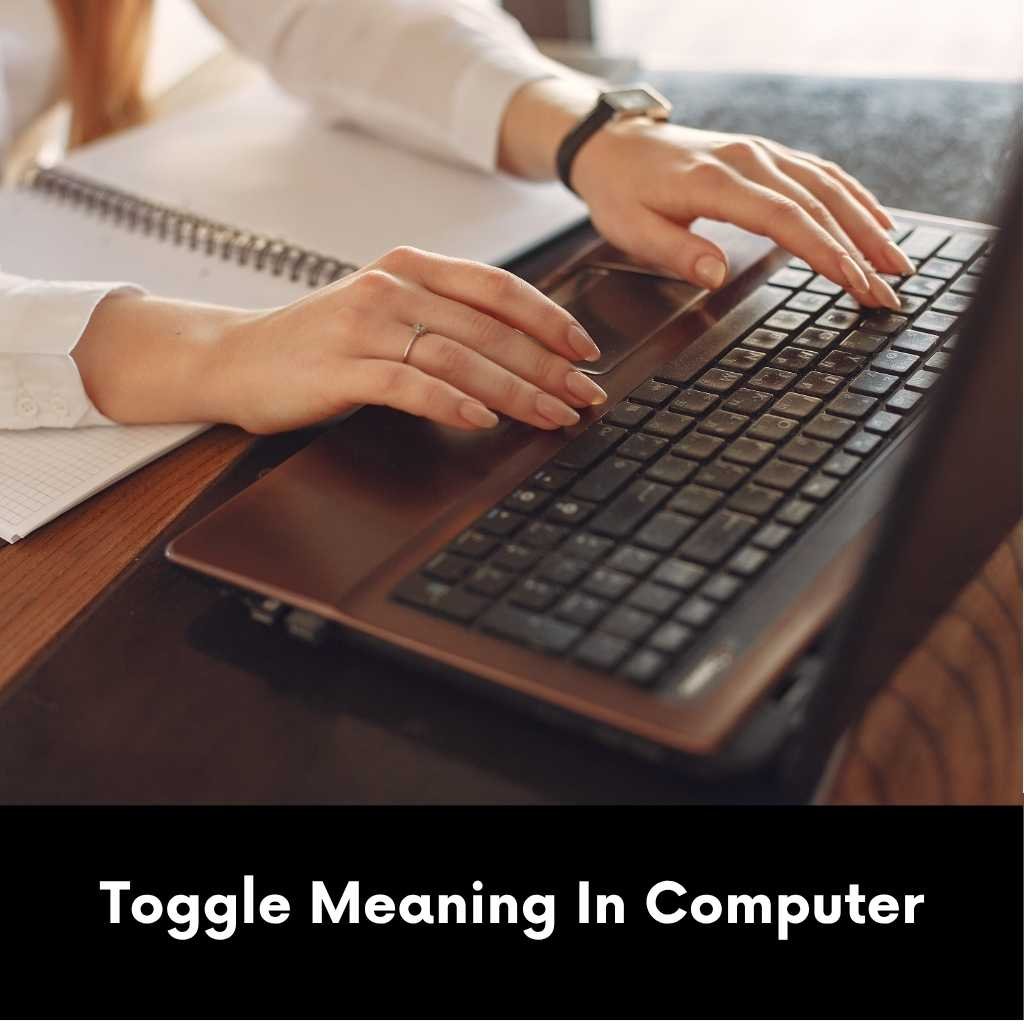
In computing, toggle means changing a setting or function from one state to another, such as on to off or vice versa. A toggle can be activated through a keyboard shortcut, switch, button, or software control. Common examples include toggling Caps Lock, Wi-Fi, Bluetooth, or dark mode. The setting remains in its new state until it is toggled again. This feature simplifies user interaction by allowing quick control over system functions. Toggle actions are an essential part of modern computer interfaces.
Toggle Control Meaning
A toggle control is a user interface element that lets users switch a feature between two states, usually on and off. It is commonly displayed as a slider, switch, or button in websites, mobile apps, and software programs. Toggle controls provide a simple and intuitive way to manage settings without navigating complex menus. They also give clear visual feedback about whether a function is enabled or disabled. Designers use toggle controls to improve usability and make interfaces more user-friendly. They are a standard component of modern digital design.
Toggle Over Meaning
Toggle over means to switch from one option, screen, tab, or setting to another. Although it is not a formal dictionary phrase, it is commonly used in technology and workplace conversations. For example, someone may say, “Toggle over to the next tab” when asking you to switch between open windows or applications. The phrase emphasizes moving quickly between available options. It is frequently heard in software tutorials, virtual meetings, and technical instructions. The exact meaning depends on the context but generally involves changing from one view or setting to another.
What Does Toggle Mean?
The word toggle refers to the action of switching between different states, settings, or options.
In most situations, toggling means changing something from one condition to another and back again when needed.
For example:
- Turning Wi-Fi on and off
- Enabling dark mode
- Muting and unmuting sound
- Switching between tabs
- Changing from walk mode to run mode in a game
A toggle acts like a light switch. One press changes the state. Another press returns it to the previous state.
A toggle is a control or action that alternates between two or more conditions.
Simple Meaning of Toggle
The easiest way to understand a toggle is to think about a household light switch.
| Action | State |
| Switch Up | On |
| Switch Down | Off |
| Switch Up Again | On |
Digital toggles work in the same way. They let you alternate between available options quickly.
Origin of the Word Toggle

The term originally referred to a fastening device used to secure objects. Over time, the meaning expanded to describe anything that switches back and forth between positions.
Today, the word is most commonly associated with technology, software, gaming, and user interfaces.
Why the Term Toggle Is So Common Today
Modern software contains countless settings and features. Instead of forcing users to navigate complex menus, developers use toggle controls to provide quick access.
Common examples include:
- Bluetooth settings
- Dark mode
- Airplane mode
- Notifications
- Privacy options
- Accessibility features
What Does Toggle Mean in ,,,Technology?
In technology, a toggle is a mechanism that changes a feature from one state to another.
Most software applications rely on toggles because they are simple, intuitive, and efficient.
Examples include:
- Turning GPS on or off
- Enabling automatic updates
- Switching between light and dark themes
- Showing or hiding passwords
Technology companies favor toggles because users instantly understand how they work.
How a Toggle Works in Software and Apps
When you interact with a toggle, the software updates a stored value.
For instance:
| Toggle State | Stored Value |
| On | True |
| Off | False |
The system then responds according to that value.
If Bluetooth is toggled on, your device searches for connections. If toggled off, the search stops.
Examples of Toggle Features on Websites
Many websites use toggles to improve user experience.
Examples include:
- Dark mode activation
- Language selection
- Cookie preferences
- Accessibility settings
- Notification controls
These features allow users to customize their experience instantly.
Common Settings That Use Toggles
Some of the most frequently used toggles include:
- Wi-Fi
- Bluetooth
- Mobile data
- Location services
- Push notifications
- Auto-save
- Night mode
What Does Toggle Mean in Computer Terms?
In computer terminology, toggle refers to changing a setting, command, or function between available states.
Computers use toggles extensively because they simplify interactions.
Toggle Functions in Operating Systems
Operating systems contain hundreds of toggle-based controls.
Examples include:
- Activating firewall protection
- Enabling accessibility tools
- Turning updates on or off
- Showing hidden files
Each setting changes system behavior immediately.
Toggle Commands in Software Programs
Many software programs contain commands that toggle features.
Examples:
- Show or hide toolbars
- Enable spell checking
- Activate focus mode
- Display grid lines
A single click changes the current state.
Keyboard Toggle Keys Explained
Certain keyboard keys function as hardware toggles.
Examples include:
| Key | Function |
| Caps Lock | Uppercase letters |
| Num Lock | Numeric keypad mode |
| Scroll Lock | Alternate scrolling behavior |
Pressing these keys repeatedly alternates between active and inactive states.
Toggle On and Off Meaning
One of the most common phrases users encounter is toggle on and off.
This simply means enabling and disabling a feature.
What Happens When You Toggle On?
When you toggle something on:
- The feature becomes active
- The system starts performing a function
- Additional options may become available
Examples:
- Turning on Wi-Fi
- Activating GPS
- Enabling notifications
What Happens When You Toggle Off?
When toggled off:
- The feature becomes inactive
- Resources may be saved
- Functions stop operating
Examples:
- Disabling Bluetooth
- Turning off location services
- Muting application alerts
Real-Life Examples of Toggle Settings
Think about your smartphone.
Every day you probably toggle:
- Airplane mode
- Mobile data
- Bluetooth
- Flashlight
- Dark mode
Without these quick switches, managing device settings would take much longer.
Toggle Between Meaning

The phrase toggle between means moving back and forth between multiple choices.
Unlike a simple on/off toggle, this action often involves several options.
What It Means to Toggle Between Two Options
Examples include:
- Switching between English and Spanish
- Changing between day mode and night mode
- Moving between open applications
The system alternates based on user input.
Examples of Toggling Between Screens, Tabs, and Modes
Common examples:
- Browser tabs
- Mobile apps
- Workspaces
- Virtual desktops
- Camera modes
People often toggle between these options throughout the day.
Difference Between Switching and Toggling
Although similar, the terms aren’t always identical.
| Switching | Toggling |
| General action | Specific alternating action |
| May involve many choices | Usually alternates between set states |
| Broader term | More technical term |
What Is a Toggle Button?
A toggle button is a user interface control that changes between states when clicked or tapped.
Unlike a regular button, it remembers its current position.
Toggle Button Definition
A toggle button maintains state information after activation.
For example:
- Play/Pause buttons
- Mute/Unmute controls
- Follow/Following buttons
How Toggle Buttons Work
When pressed:
- State changes
- Visual indicator updates
- Function activates or deactivates
Users immediately see the result.
Toggle Button vs Regular Button
| Toggle Button | Regular Button |
| Remembers state | Performs action only |
| Can stay active | No active state |
| On/Off behavior | Single action behavior |
Types of Toggle Controls
Not all toggles look the same.
Designers use different styles depending on the application.
Toggle Switch
The most common type.
Looks like a physical switch and clearly indicates active or inactive status.
Toggle Button
Often appears as a clickable button that changes appearance when activated.
Checkbox Toggle
A checkbox can also function as a toggle.
Checked = enabled.
Unchecked = disabled.
Slider Toggle
Popular on mobile devices because it is easy to understand visually.
Mobile App Toggles
Modern apps use:
- Sliding switches
- Floating buttons
- Icon-based toggles
- Gesture-controlled toggles
What Does Toggle Mean on a Phone?
On smartphones, toggles help users control device functions instantly.
Toggle Settings on Android Devices
Android devices include toggles for:
- Wi-Fi
- Bluetooth
- NFC
- Location
- Airplane mode
- Battery saver
These controls are usually found in Quick Settings.
Toggle Settings on iPhones
iPhones provide similar functionality through Control Center.
Popular toggles include:
- Wi-Fi
- AirDrop
- Bluetooth
- Focus Mode
- Cellular Data
Quick Settings Toggles Explained
Quick settings reduce the need to navigate deep menus.
A single tap changes the feature state immediately.
What Does Toggle Mean in Gaming?

Gaming communities frequently use the term toggle.
It often refers to gameplay actions that remain active until turned off.
Toggle vs Hold Controls
Many games offer two options:
| Toggle | Hold |
| Press once to activate | Hold button continuously |
| Press again to deactivate | Release to deactivate |
| Less finger strain | More precise control |
Common Toggle Settings in Video Games
Popular examples:
- Sprint toggle
- Crouch toggle
- Aim toggle
- Voice chat toggle
- Map visibility toggle
Why Gamers Prefer Toggle Options
Many players choose toggle settings because they:
- Reduce hand fatigue
- Improve accessibility
- Enhance comfort during long sessions
What Does Toggle Mean in Minecraft?
Minecraft players often encounter toggle settings.
These options improve accessibility and gameplay efficiency.
Sneak Toggle in Minecraft
Sneak toggle allows players to crouch without holding the key continuously.
Benefits include:
- Easier building
- Better precision
- Reduced finger fatigue
Sprint Toggle in Minecraft
Players can enable sprint mode with a single key press.
The sprint remains active until disabled.
Accessibility and Control Settings
Minecraft includes several toggles designed for accessibility and convenience.
These settings help players customize gameplay according to personal preferences.
What Does Toggle Mean in Programming?
Programmers use toggles extensively in software development.
Toggle Variables and States
Many programs use Boolean values.
Example:
| State | Value |
| On | True |
| Off | False |
These values determine application behavior.
Boolean Toggle Functions
A Boolean toggle changes:
- True to False
- False to True
This simple concept powers thousands of software features.
Common Coding Examples
Developers often create toggles for:
- Dark mode
- User permissions
- Feature flags
- Notifications
- Menu visibility
What Does Toggle Mean in User Interface (UI) Design?
User interface design relies heavily on toggles.
They provide fast, intuitive control over settings.
Why Designers Use Toggles
Toggles offer several advantages:
- Easy to understand
- Minimal screen space
- Immediate feedback
- Improved usability
Best Practices for Toggle Switches
Good toggle design should:
- Clearly show current state
- Use understandable labels
- Provide instant feedback
- Remain accessible
Common UX Mistakes
Poorly designed toggles often:
- Lack labels
- Use confusing icons
- Hide active status
- Create uncertainty
Good design eliminates confusion.
What Does Toggle Mean in Slang?
Although uncommon, toggle sometimes appears informally.
In casual conversation, people may use it to describe switching between choices, opinions, activities, or moods.
Examples include:
- “I keep toggling between two shows.”
- “She’s toggling between career options.”
- “He’s toggling between different ideas.”
The meaning remains similar: moving back and forth between alternatives.
Informal Uses of Toggle
People may use toggle when discussing:
- Preferences
- Decisions
- Entertainment choices
- Work tasks
Is Toggle Common in Everyday Conversations?
The word appears more frequently in technology than everyday speech.
However, its usage continues growing as technology becomes more integrated into daily life.
Toggle Synonyms and Related Terms

Several words share a similar meaning with toggle.
Common Synonyms
- Switch
- Flip
- Alternate
- Change
- Enable
- Disable
- Activate
- Deactivate
- Turn On
- Turn Off
Related Technology Terms
| Term | Meaning |
| Switch | Change state |
| Activate | Turn on |
| Disable | Turn off |
| Alternate | Move between options |
| Mode | Current operating state |
Common Examples of Toggle in Everyday Life
You encounter toggles more often than you may realize.
Light Switches
A traditional light switch is one of the simplest toggle examples.
Phone Settings
Smartphones contain dozens of toggle controls.
Smart Home Devices
Smart homes use toggles for:
- Lights
- Cameras
- Thermostats
- Security systems
Car Features
Modern vehicles use toggles for:
- Heated seats
- Driving modes
- Parking sensors
- Interior lighting
Gaming Controls
Gamers rely on toggle actions constantly during gameplay.
Frequently Asked Questions
What does toggle mean in simple words?
Toggle means switching something between two or more states. A common example is turning Wi-Fi on and off.
What is a toggle switch?
A toggle switch is a control that changes between active and inactive states when pressed, clicked, or tapped.
What does toggle on and off mean?
It means enabling and disabling a feature repeatedly. For example, turning Bluetooth on and off.
What does toggle between mean?
It means moving back and forth between options such as browser tabs, applications, modes, or settings.
What is the difference between toggle and switch?
A switch is the control itself while toggle usually describes the action of alternating between states using that control.
Conclusion
Understanding what does toggle mean becomes much easier once you think of it as a digital switch. Whether you’re using a smartphone, computer, website, video game, or smart device, toggles help you change settings quickly and efficiently.
They allow you to enable features, disable functions, and move between different modes with minimal effort. From toggle buttons and toggle switches to gaming controls and software settings, this simple concept powers countless everyday interactions. As technology continues to evolve, toggles will remain one of the most important and user-friendly interface elements people use every day.

George Knight is a passionate writer, thinker, and believer whose words aim to touch hearts and inspire minds. With a deep love for faith, humanity, and purpose, he writes to remind readers that every soul has a story and every journey has meaning.
He is the author of several inspiring books, including “Echoes of Grace“, “The Silent Prayer“, and “Footprints of Faith“, each filled with reflections on hope, love, and divine strength. Through his writing, George seeks to help others find peace in prayer, courage in faith, and light in moments of darkness.
For George, writing isn’t just expression — it’s a prayer in motion, a way to connect with something greater than ourselves. His words encourage readers to pause, breathe, and believe that grace still flows quietly through every chapter of life.