
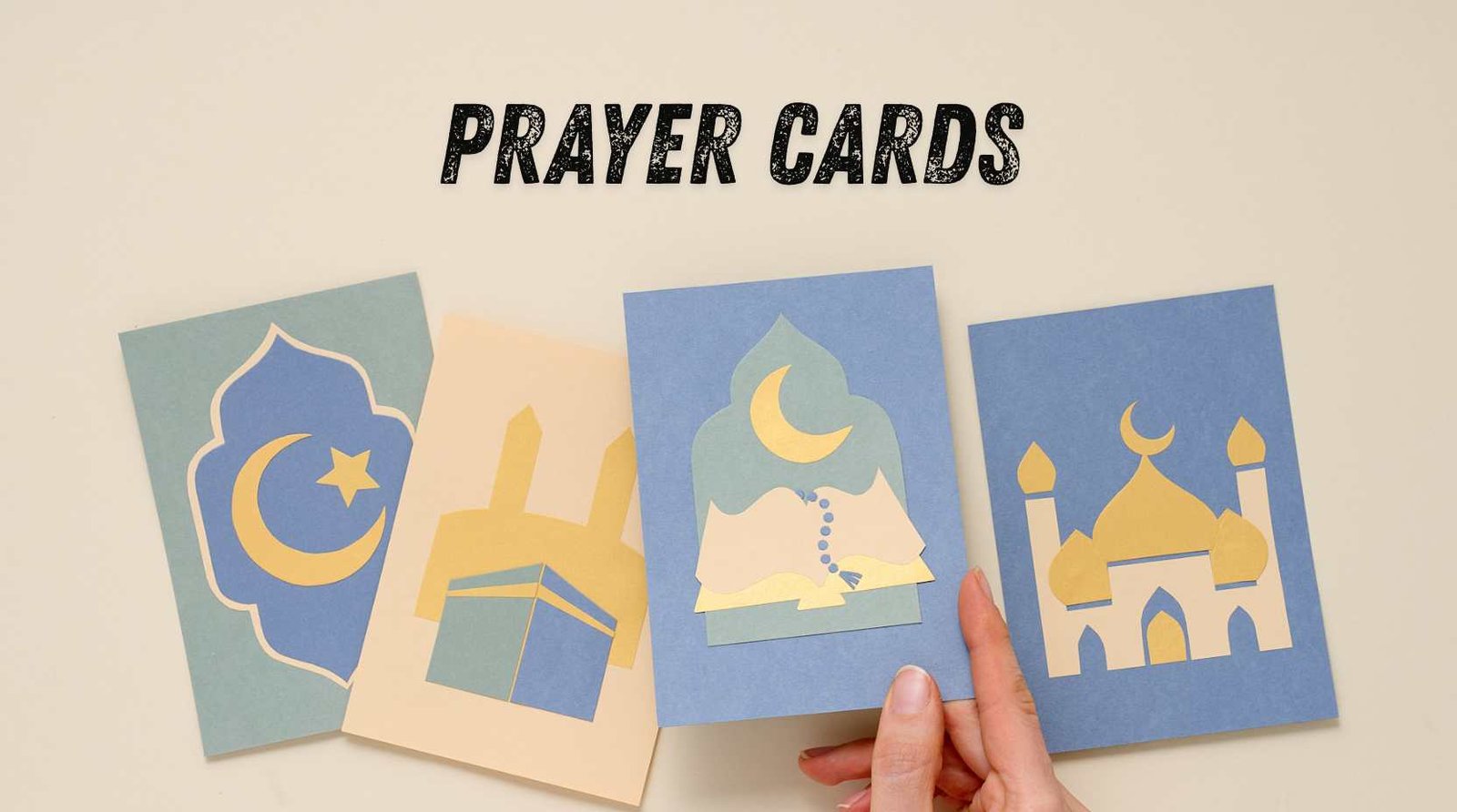
“Prayer cards” have long been cherished as a simple yet powerful tool for nurturing faith, encouraging reflection, and keeping sacred words close.
Whether passed down through generations, shared among friends, or used in personal devotion, prayer cards serve as tangible reminders of hope, love and spiritual guidance.
From Catholic saints to daily prayers, these small yet meaningful cards help believers stay connected to God, even in the midst of a busy life. Their compact size makes them perfect for carrying in a wallet, placing on an altar, or gifting to loved ones.
In this article, we’ll explore the history, purpose, and variety of prayer cards, along with tips for making the most of them in your daily spiritual practice.
What Are Prayer Cards?
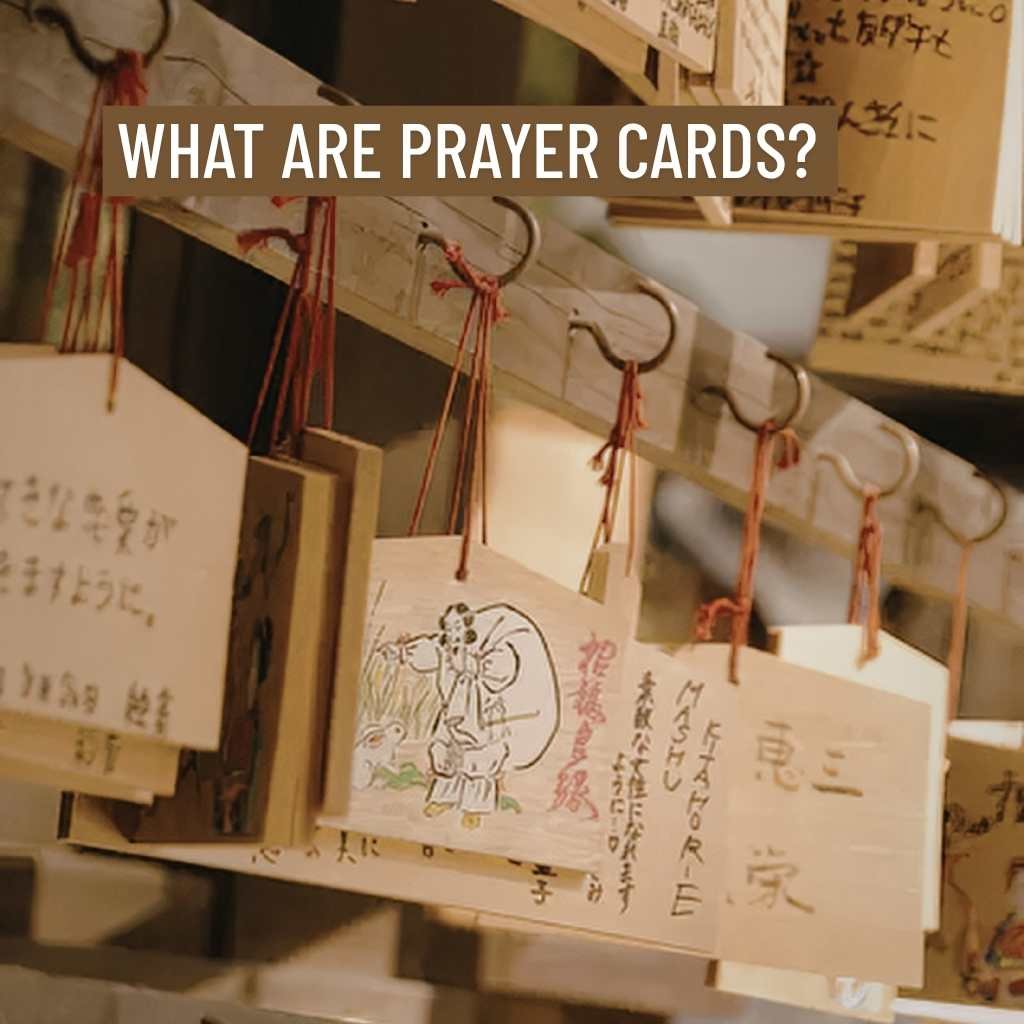
Prayer cards are small, usually rectangular cards featuring a prayer, religious image, or inspirational message. They are designed to help individuals focus on faith, recall specific prayers, or commemorate significant religious events. Most prayer cards include:
- Religious imagery – pictures of saints, angels, or biblical scenes.
- Text of prayers – written in clear, easy-to-read formats.
- Durable design – often laminated or made of thick cardstock for longevity.
Prayer cards serve as personal reminders to pray, meditate, or reflect on spiritual teachings. They are commonly used in Catholic, Orthodox, and Protestant traditions but can be adapted to suit various spiritual practices.
History Of Prayer Cards
The use of prayer cards can be traced back to the Middle Ages, when monks and clergy distributed small devotional texts to promote personal devotion. These early cards often included miniature illustrations of saints, biblical stories, and prayers for protection or guidance. By the 19th century, prayer cards became widely popular among laypeople, especially in Europe and North America, as they were affordable and easy to carry.
Today, prayer cards are produced in large quantities, often commemorating feast days, sacraments, or memorials, allowing believers to carry their faith in a compact and meaningful form. They continue to evolve, with modern designs featuring contemporary artwork, inspirational quotes, and even digital versions for online sharing.
Types Of Prayer Cards
Prayer cards are not one-size-fits-all. Their variety allows believers to choose cards that align with their spiritual needs or personal preferences. Some of the most common types include:
1. Saint Prayer Cards
These cards feature a saint’s image along with a prayer invoking their intercession. They are often used to ask for guidance, protection, or inspiration. Popular saints like St. Francis of Assisi, St. Therese of Lisieux, and St. Jude are commonly depicted on these cards.
2. Memorial Prayer Cards
Memorial prayer cards honor the life of a loved one who has passed away. They typically include the individual’s name, date of birth and death, and a comforting prayer. Families often distribute these cards at funerals or memorial services as a lasting remembrance.
3. Daily Devotional Cards
These cards focus on everyday prayers or scripture passages meant for personal reflection. They encourage regular spiritual practice and can help structure prayer routines. Some include motivational verses to inspire hope and faith throughout the day.
4. Event-Based Prayer Cards
Event-based cards commemorate religious milestones such as baptisms, first communions, confirmations, or weddings. They often include prayers specific to the occasion and serve as keepsakes for participants and their families.
5. Digital Prayer Cards
With the rise of technology, digital prayer cards have become popular. These can be shared via email, social media, or apps, allowing believers to spread prayers to a wider audience without physical constraints. They often include interactive features such as links to additional prayers or meditation guides.
Benefits Of Using Prayer Cards
Incorporating prayer cards into your spiritual routine offers multiple benefits, both practical and spiritual.
1. Strengthens Daily Prayer Life
Having a physical reminder of a prayer encourages consistency. Even a short prayer card can help you maintain focus and build a meaningful daily prayer habit.
2. Provides Comfort In Difficult Times
Prayer cards offer solace during moments of grief, anxiety, or uncertainty. Reading familiar prayers or holding a card depicting a favorite saint can provide immediate emotional and spiritual relief.
3. Encourages Reflection And Meditation
Many prayer cards contain profound messages or scripture passages. Reflecting on these words encourages deeper contemplation and helps cultivate inner peace.
4. Supports Teaching And Evangelization
Prayer cards can introduce others to faith, teaching prayers, saints, or biblical stories in a concise and accessible way. They are especially useful for youth ministry or catechism classes.
5. Acts As A Tangible Keepsake
Because they are small and portable, prayer cards are excellent for preserving memories. Whether commemorating a sacrament or honoring a loved one, these cards act as meaningful mementos.
How To Use Prayer Cards Effectively
To maximize the spiritual impact of prayer cards, consider the following practices:
- Keep cards visible: Place them on your bedside table, desk, or altar to serve as constant reminders.
- Carry them with you: Store a card in your wallet or bag for instant access during your day.
- Pray intentionally: Read the prayer slowly, reflect on its meaning, and meditate on the words.
- Share with others: Gifting a prayer card can uplift and encourage friends, family, or fellow believers.
- Rotate cards: Use different cards for various intentions or times of the day to maintain variety in your spiritual practice.
Popular Prayers Found On Prayer Cards
Many prayer cards feature prayers that are widely recognized and cherished across traditions. Some popular examples include:
- The Anima Christi – a devotion invoking Jesus’ soul, body, and blood for guidance and grace.
- Hail Mary – a central Catholic prayer asking for the intercession of the Virgin Mary.
- Our Father (The Lord’s Prayer) – foundational prayer taught by Jesus, covering adoration, petition, and forgiveness.
- St. Jude Prayer – often used in desperate or challenging situations to invoke hope and miracles.
- Guardian Angel Prayer – seeking guidance and protection from divine beings assigned to watch over us.
Choosing The Right Prayer Card
Selecting a prayer card should align with your spiritual goals, personal devotion, or the occasion being commemorated.
- Personal connection: Choose cards featuring prayers, saints, or imagery that resonate with your heart.
- Purpose of use: For daily meditation, choose cards with brief, reflective prayers. For memorials or special events, select commemorative designs.
- Aesthetic appeal: A visually appealing card with meaningful imagery can enhance focus and devotion.
- Durability: Laminated or sturdy cards ensure long-lasting use, especially if you plan to carry them frequently.
Creative Ways To Display Prayer Cards
Prayer cards can do more than stay in your wallet—they can enhance your sacred space and serve as daily inspiration.
- Frame Them: Highlight a favorite card on your wall or desk for constant visual meditation.
- Altar Arrangement: Arrange a set of cards on your home altar or prayer corner to create a spiritual focus.
- Bookmarks: Use prayer cards as bookmarks for your Bible or devotional books.
- Gift Packs: Combine multiple prayer cards in a small gift box for friends or family.
- Scrapbooks: Collect cards from significant life events to create a spiritual keepsake album.
Prayer Cards For Children And Youth
Introducing prayer cards to children encourages early spiritual development. Use colorful and illustrated cards with simple prayers to make faith engaging. For example:
- Saint-themed cards: Teach children about the lives of saints through stories and prayers.
- Daily affirmation cards: Short, easy-to-remember prayers that promote gratitude and kindness.
- Interactive cards: Some cards include questions or prompts for reflection, making prayer an interactive experience.
By making prayer cards fun and visually appealing, children are more likely to engage with them regularly.
Collecting Prayer Cards As A Hobby
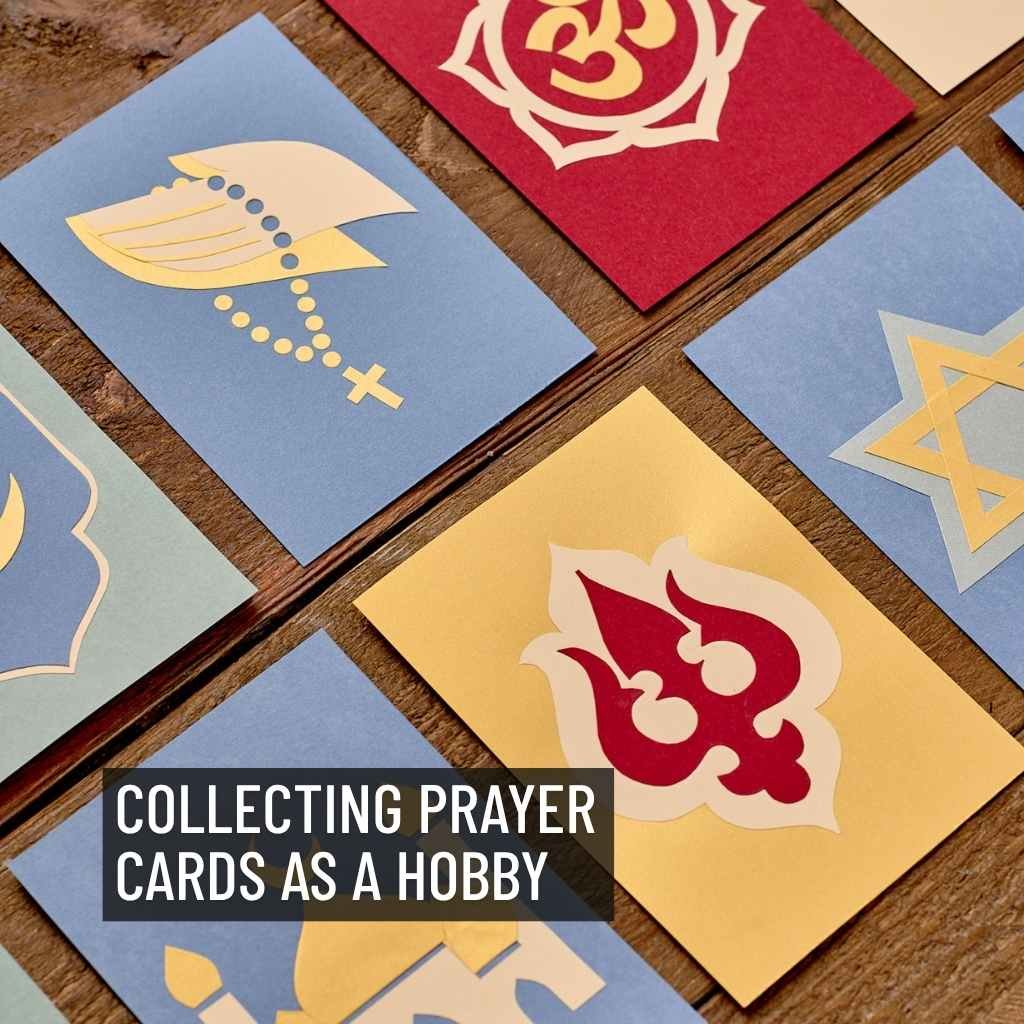
For some believers, collecting prayer cards becomes a spiritual and personal hobby. Collectors often seek cards that are:
- Rare or vintage editions
- Commemorative cards from special religious events
- Cards with unique artwork or limited prints
This practice not only preserves historical and cultural religious artifacts but also deepens one’s connection to the faith community.
DIY Prayer Cards
Creating your own prayer cards can be a rewarding and meaningful activity. You can personalize them with:
- Original prayers
- Favorite scriptures
- Artistic designs or calligraphy
- Laminated finish for durability
DIY prayer cards make thoughtful gifts and allow you to share your unique spiritual expression with others.
Prayer Cards In The Digital Age
While traditional prayer cards remain beloved, digital versions are gaining popularity. They offer:
- Instant sharing via social media or messaging apps
- Customization with personal prayers or images
- Accessibility for remote communities
- Eco-friendly alternatives to printed cards
Digital prayer cards complement traditional methods, making spiritual encouragement more accessible worldwide.
FAQs About Prayer Cards
1. Can prayer cards replace regular prayer?
Prayer cards complement your prayer life but should not replace direct communication with God through personal prayer.
2. How do I choose a prayer card for a loved one?
Select a card that reflects their faith, favorite saint, or a prayer relevant to their life situation.
3. Are Prayer Cards Only For Catholics?
No. While prayer cards are commonly associated with Catholic traditions, many Christian denominations and faith communities use similar devotional cards containing prayers, scripture verses, and inspirational messages.
4. Can I Create My Own Prayer Cards?
Yes. Many people design personalized prayer cards with favorite prayers, Bible verses, family photos, or meaningful religious artwork for personal use or special events.
5. What Is The Best Way To Store Prayer Cards?
Prayer cards can be stored in a prayer journal, Bible, keepsake box, wallet, or a dedicated album to keep them organized and protected.
Conclusion
Prayer cards may be small in size, but their spiritual impact can be profound. They provide comfort during difficult moments, encourage daily prayer, preserve cherished memories, and strengthen faith in a simple yet meaningful way. Whether you use traditional printed cards, create personalized designs, or share digital versions with others, prayer cards remain a timeless expression of devotion and hope.
From memorial keepsakes and saint devotions to daily encouragement and family traditions, these treasured cards help believers keep God’s presence close throughout life’s journey. As faith practices continue to evolve, prayer cards remain a beautiful reminder that even the smallest tools can inspire deeper prayer, stronger faith, and a closer relationship with God.

Kevin Blake is an inspiring author whose words touch hearts and awaken minds. He has written remarkable books including “The Light Within”, “The Path of Serenity” and “Beyond the Horizon” each reflecting his deep wisdom and spiritual insight. Through his writings, Kevin encourages readers to embrace hope, kindness, and inner peace. His passion for storytelling comes from a sincere desire to spread light in a world that often forgets to pause and pray. May his words continue to guide souls toward faith, reflection, and love.